

A look at World Cup venues (Photo Feature)

The 2022 FIFA World Cup is under way in Qatar. After the oil-rich Middle East country won the bid in 2010 to host the tournament in quite a controversial manner, it poured in billions of dollars to build the infrastructure to stage the games. Eight venues were built or renovated in 12 years with oil money and the sweat, blood, and life of thousands of migrant workers, including from Nepal. Despite the controversies, many have described these stadiums as architectural and technological masterpieces.
Here is a look at them:
Al Bayt Stadium 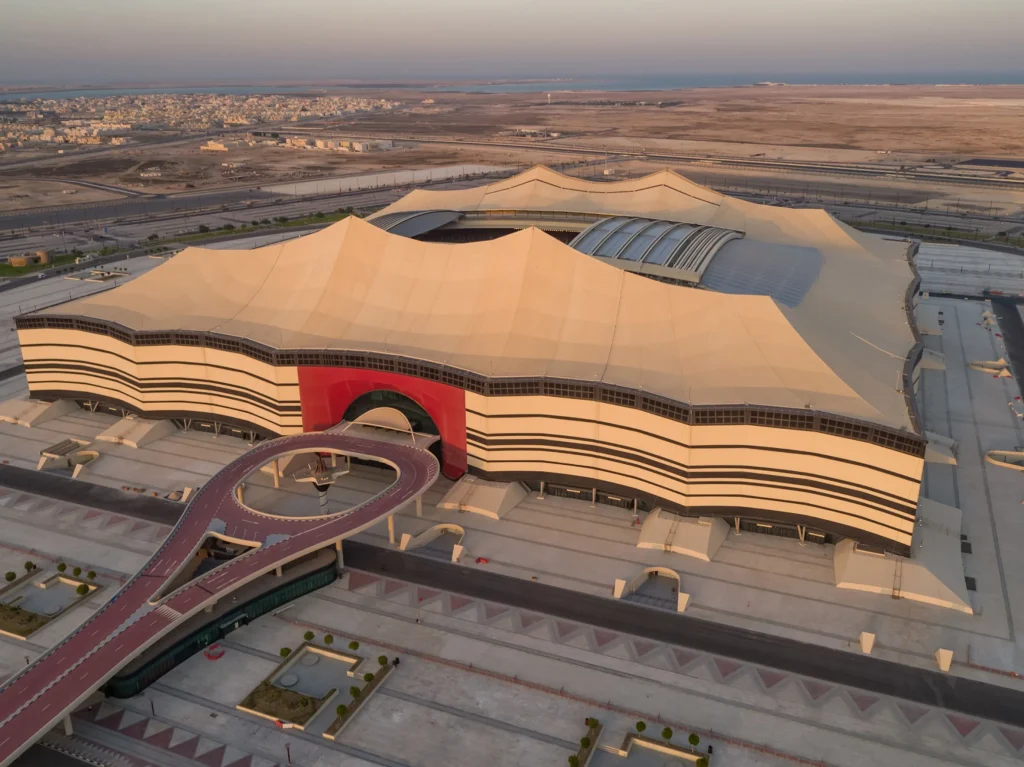 Al Bayt Stadium, with a capacity of 60,000 seats, hosted the opening fixture and will also host another eight matches. Of these, five are group meetings and three are knockout matches. In addition to having play areas and exercise stations, Al Bayt Park also has running, cycling, horseback riding, and camel riding courses. After the tournament is over, the modular upper tier will be taken down, and the seats will be used to build sports facilities in Qatar and abroad. The stadium received a five-star rating from the Global Sustainability Assessment System (GSAS) for its design and construction.
Khalifa International Stadium 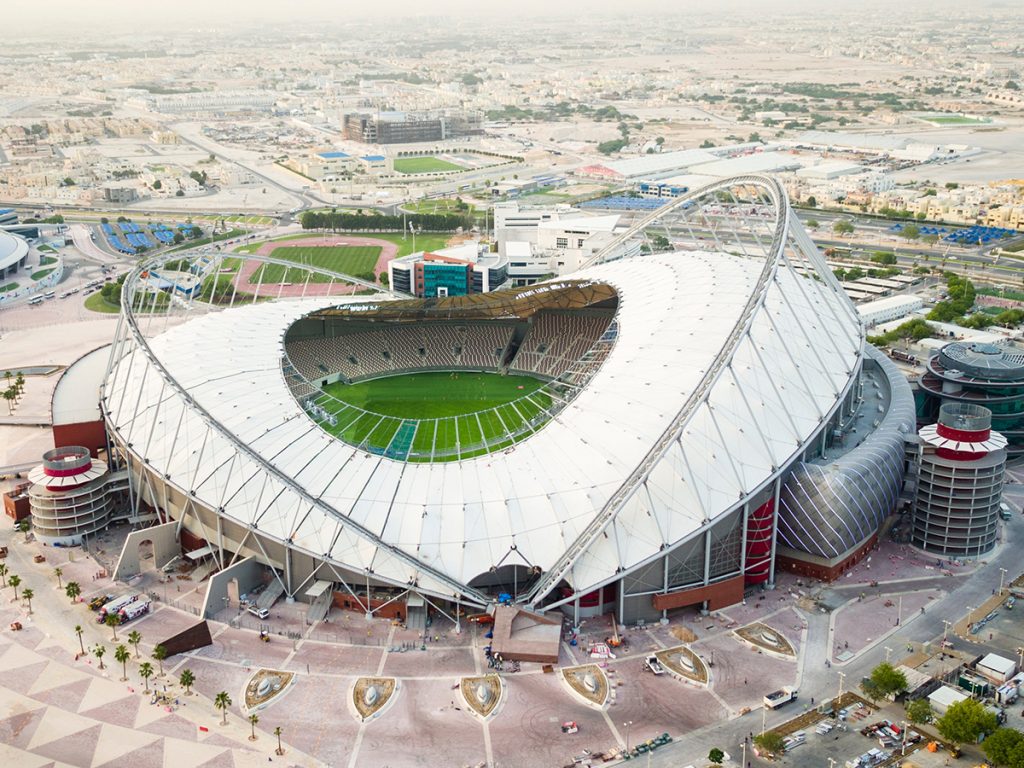 Khalifa International Stadium, which was constructed in 1976, has previously served as the venue for the Asian Games, Arabian Gulf Cup, and AFC Asian Cup. The IAAF World Athletics Championships and matches from the FIFA Club World Cup Qatar were also held here in 2019. To get it ready for the World Cup, the stadium underwent a significant reconstruction. With a capacity of 45,000, the stadium will host six group-stage games, one round-of-16 game, and the third-place play-off. It was the first World Cup venue in Qatar to achieve GSAS certification.
Al Thumama Stadium 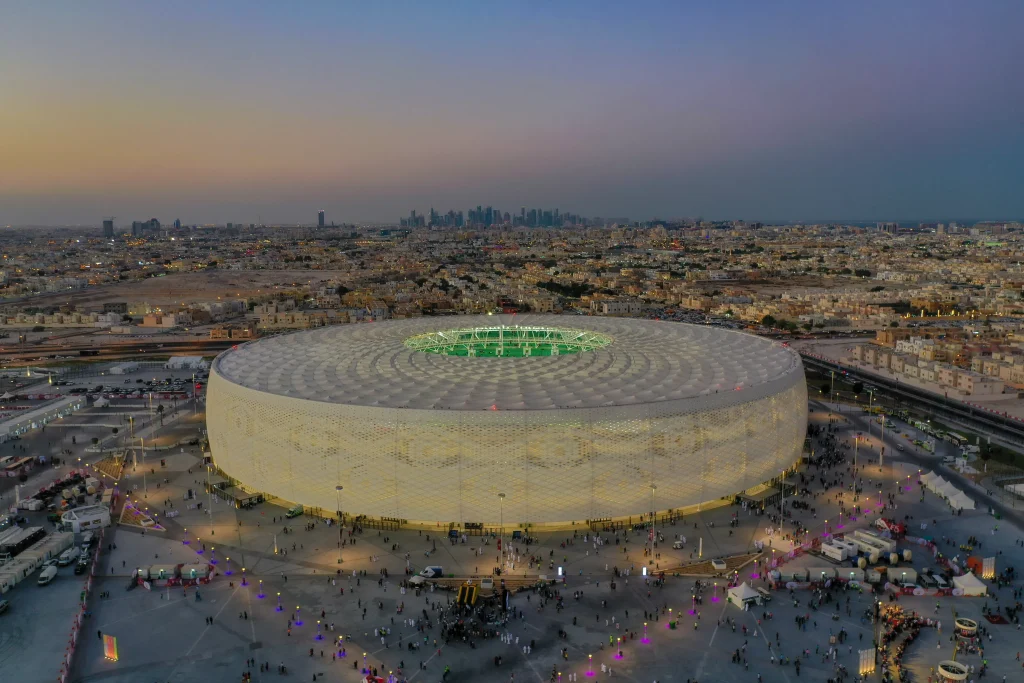 One of the quarterfinals of the World Cup, one round-of-16 match, and six group-stage games will all be played at Al Thumama Stadium. The layout of the stadium is modeled after the Middle Eastern men’s traditional woven headgear known as the ‘gahfiya’. After the World Cup, the current capacity of 40,000 will be lowered to accommodate local demands and give other developing countries with top-notch athletic infrastructure. Football games and other sporting events will be held in the arena’s remaining 20,000 spectators. On-site developments include a boutique hotel that will take the place of the stadium’s upper stands and a branch of a sports clinic.
Stadium 974 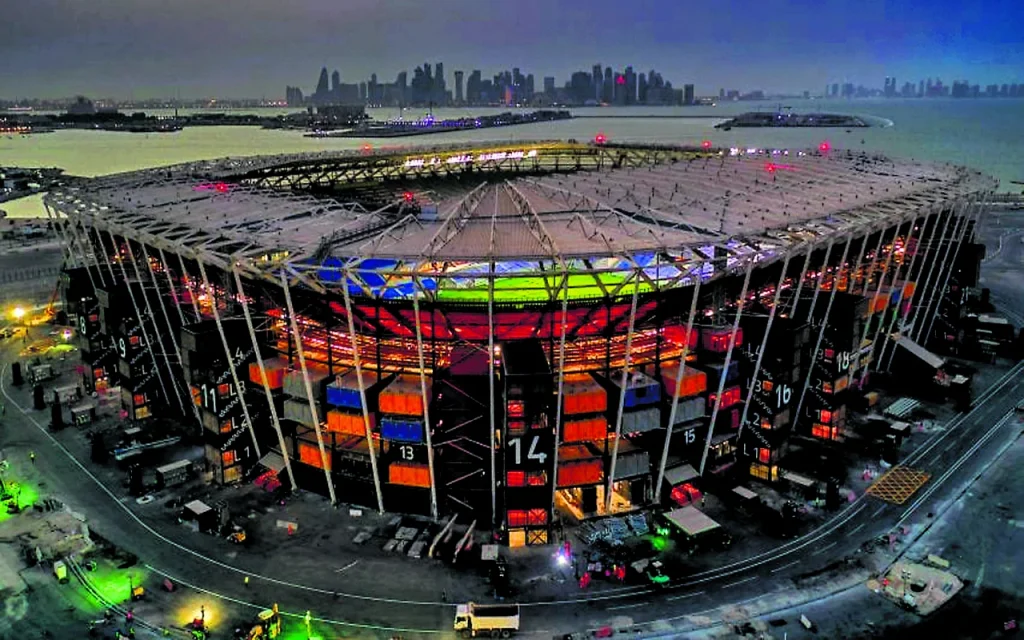 Stadium 974 is built from 974 standard-certified shipping containers and modular steel pieces, evoking the local port and the area's industrial past. It is the only waterfront venue with a breathtaking perspective of the Doha cityscape. The first-ever FIFA compliant stadium that can be fully dismantled and re-purposed post-event includes flexibility in the design to rebuild the stadium with the same capacity in a different location or build multiple smaller venues using the same materials. The GSAS gave it a five-star rating for both the design and the construction. The end product is an arena that is unique, brightly colored, and utterly contemporary. Because of its modular construction, less typical building material was needed than in the construction of a standard stadium, which helped keep construction costs low. Stadium 974 has a capacity of 40,000 and will host seven matches during the world cup, with six group games and one round-of-16 knockout match.
Ahmad bin Ali Stadium 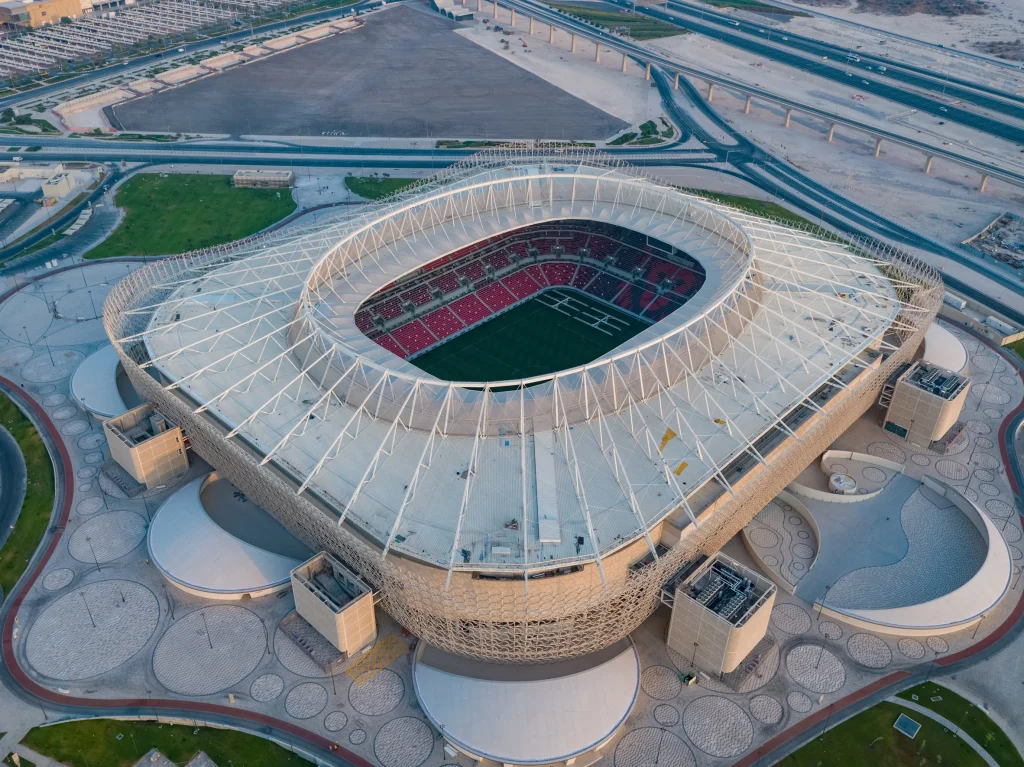 The fifth shape, a shield, unites them all and symbolizes the unity and strength that are especially important to the city of Al Rayyan. The stadium, which has a 40,000-person tournament capacity, will host six group-stage games and one round-of-16 game. After the competition, the movable upper tier will be taken down, and the seats will be used to build other sports venues in Qatar and abroad. Numerous components of the demolished building that formerly stood in this location have been utilized in the new construction, some of which have been transformed into works of public art. The majority of the building materials—more than 90 percent—have been recycled or reused. To reduce harm to the environment, trees that originally encircled the old arena have been saved for future replanting.
Lusail Stadium 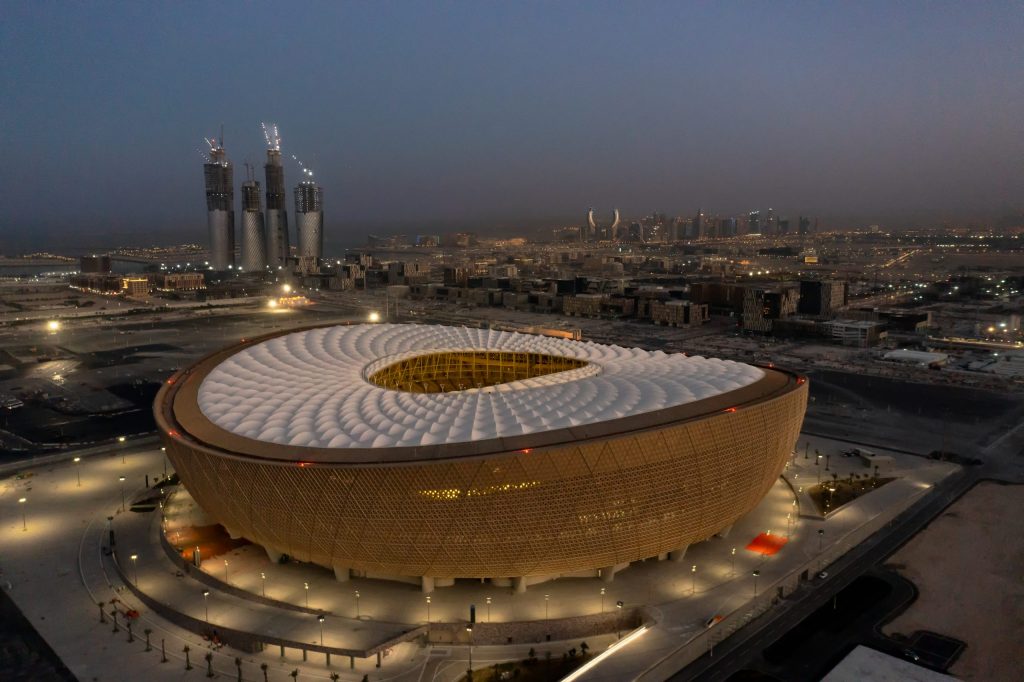 The largest stadium in Qatar, with 80,000 seats, is Lusail. Along with the World Cup final, it will hold six group-stage games and one from each round. The current plan for Lusail Stadium is to study the modification of the venue’s interior space to house a mixture of civic facilities. After the World Cup, the venue could feature affordable housing units, shops, food outlets, health clinics, and even a school. A community football field might be constructed on the higher deck and used as an outdoor terrace for new residences. Some of the tournament installations will need to be taken down to make room for these new amenities. Any materials removed will be saved, reused whenever possible, and donated to areas in need of sporting facilities. Polytetrafluoroethylene (PTFE), a cutting-edge polymer, shields the stadium from heated winds, prevents dust from entering, lets in enough light for the pitch to flourish, and provides shade to lessen the demand for air conditioners. The GSAS awarded the stadium a five-star rating.
Education City Stadium 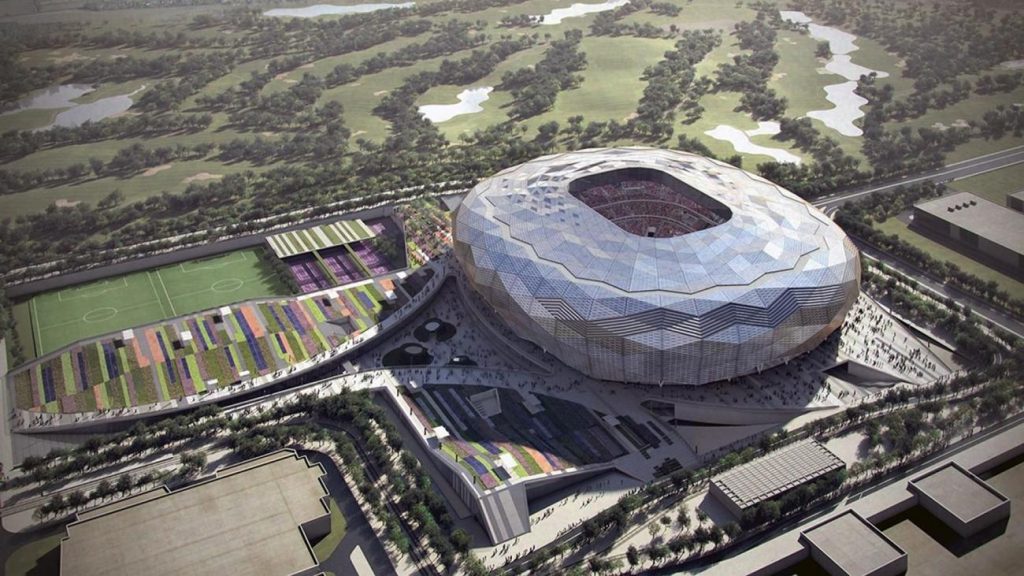 The front side of the Educational City Stadium features triangles that form complex, diamond-like geometrical patterns which appear to change color with the sun’s movement across the sky. With a capacity of 45,000, it will host eight games during the competition, including two knockout games and six group games. The stadium’s movable upper tier will be taken down, and the seats will be donated to a nation lacking in sporting facilities. The stadium, which has cutting-edge cooling equipment for the benefit of spectators, players, and officials, is the first World Cup venue to receive a five-star design and build rating from the GSAS.
Al Janoub Stadium 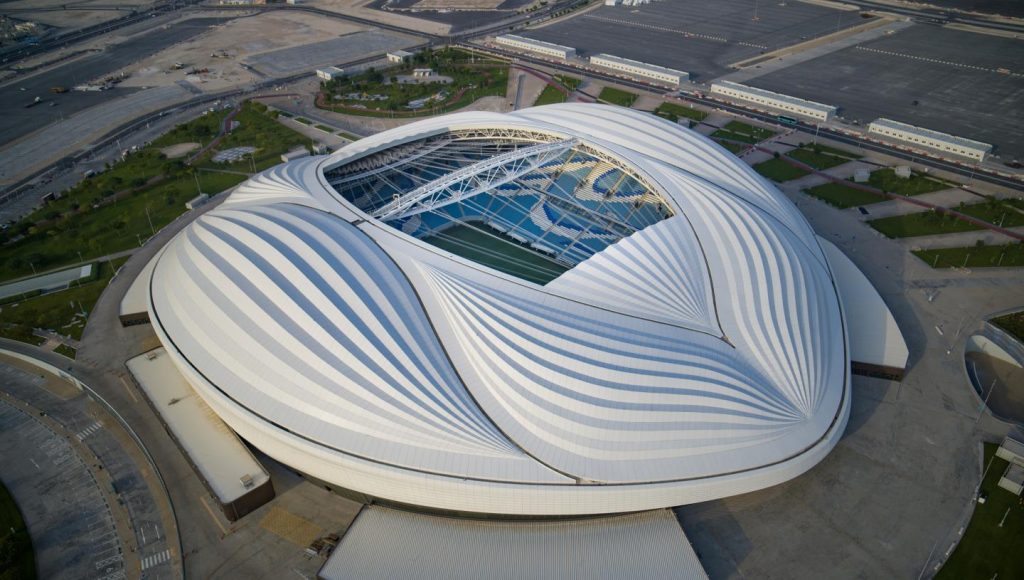 The sails of conventional dhow boats served as inspiration for the design. It has playgrounds for kids, running and cycling trails, and other open spaces. After the World Cup, the stadium’s capacity will be reduced from 40,000 to 20,000 and it will be donated to football development projects abroad. The stadium is scheduled to host six group-stage matches and one round-of-16 match.
The text is prepared on the basis of information available on FIFA’s website

Samir Shrestha: Creating a caring space for children with cancer

Samir Shrestha, 37, wanted to make the world a better place for children. He recalls wanting to work for children’s rights ever since he was old enough to understand its importance. Working with children who have cancer, however, was a spur-of-the-moment decision. It all started when he went on a cycling rally across Bangladesh and India. The rally was a form of demonstration to protect the rights of street children. Seeing those children in vulnerable conditions was heartbreaking. When he came back to Nepal, he started asking around to get a better idea of their situation. “I found out there are many organizations working for children’s rights. There were orphanages and other forms of support,” he says, “But none of them focused on supporting children with cancer.” This was why he started volunteering at the oncology ward at Kanti Children’s Hospital in Maharajgunj, Kathmandu. Shrestha laments that he didn’t have the needed resources to financially assist these children. But he was a steady source of emotional support, which, for many families, brought a lot of relief. “They would tell me how they were feeling. Being able to talk about their problems lessened it a little,” he says. Growing up without a father since he was 12, Shrestha knew what it was like to lose your sense of belonging. Despite his basic needs being met and his uncle (with whom he lived after moving to Kathmandu) being kind to him, he never really felt at home without his father’s presence. He wanted to give the children he worked with what he never had—a feeling of comfort and belonging. As a regular volunteer, the children would look forward to his visits when he would read to them or help them with their meals. “The hospital would call me quite often as the children would not eat without me,” he reminisces. Shrestha says what he saw while working at the hospital was traumatic. The children were no doubt going through a lot but watching the parents wait around helplessly was even worse. Sometimes, the doctors used to give them money to go home or eat something, he says. The situation was as bleak as it could get as many didn’t have money to even buy little things like masks and gloves. When faced with such a financial crisis, it was difficult for the parents to be emotionally available for their children. “I realized I had to do something to bridge that gap, provide the support that the parents couldn’t,” he says. So, in August 2006, he established the ‘Dirghajeevi Voluntary Group’ that worked in collaboration with the oncology ward at the Kanti Children’s Hospital until 2015. The NGO was established with just 12 members and they had no outside help. The members invested what they could to start off on the noble venture. Their first priority was to make the oncology ward at the hospital more child-friendly. Shrestha says the space looked like an abandoned corridor. The volunteers wanted to give it a much-needed facelift. As days went by and they continued with the work, people reached out to Shrestha and his team. They wanted to help. However, Shrestha didn’t want to take monetary help. He wanted them to visit the hospital, see what they were doing, and decide for themselves how they could contribute. A lot of foreign sponsors, he says, were happy to hear that. Many pitched in to give the oncology ward a complete makeover. Some scrubbed floors and painted the walls while others put up boards and nameplates to demarcate the space. “We even received cupboards and many other essential things,” says Shrestha. After a decade of working exclusively with children at the hospital, he thought he hadn’t been able to do enough. Something felt amiss, he says. They had built a nice ward for the children and would help the parents when needed but they were unable to provide the emotional support the children desperately needed. When the children went home, they often had no one to support or counsel them, he says. In 2018, with a vision to create a psychologically and psychosocially supportive environment for these children, Shrestha started a daycare center. The Loving Heart Daycare Center, located in Imadol, Lalitpur, is a space that focuses on the mental well-being of children who are cancer survivors. The daycare has everything a child would need to heal from the trauma—from counselors to individual and communal activities. “It’s like a big support group to make these children feel heard, seen, and understood,” adds Shrestha. The establishment does not promise to provide parents with medical or financial assistance. It’s solely for psychological support. The good thing is that there is no membership fee at the daycare center. It’s free. They also have counseling sessions for parents who feel like they need some emotional support too. “It’s difficult to watch your child suffer and not be able to do much about it which is why we also provide psychological guidance to parents as and when needed,” says Shrestha. Recently, they hosted the ‘First Childhood Cancer Survival Meet’—an event where children who beat cancer and their parents could share their stories with other children cancer patients. The goal was to boost the morale of those currently suffering from cancer and let them know they weren’t alone as well as help parents make sense of things. The first-of-its-kind event was an immense success, says Shrestha. People left feeling unburdened and hopeful. “It was a heartwarming time and we hope to give continuity to our work to be able to make children’s battles with cancer a little less stressful,” he says.

First-time voters’ take on this election
The elections to the federal parliament and provincial assemblies are expected to be different from the previous ones. Many voters seem to be more inclined towards new and young candidates. They see hope in independent candidates and new parties. Voters’ resentment against old established parties and their candidates is palpable. In this context, Anushka Nepal from ApEx interviewed 10 first-time voters to find out what they have to say about the upcoming elections and what they expect.
Shimran Poddar, 21
 Being a first time voter, I want to give my vote to someone who is willing to make changes from the grassroots level. I want to see changes that benefit the locals directly, from their businesses to their basic needs. I will be voting from Sunsari and I want someone who is genuinely willing to represent and work on the issues faced by people from the area.
Rabindra Khadka, 22
Being a first time voter, I want to give my vote to someone who is willing to make changes from the grassroots level. I want to see changes that benefit the locals directly, from their businesses to their basic needs. I will be voting from Sunsari and I want someone who is genuinely willing to represent and work on the issues faced by people from the area.
Rabindra Khadka, 22
 The best candidate for me in this year’s election would be someone like Balen Shah, which I don’t see in my constituency. As a youth, I want to see a candidate like Shah, who after being elected the mayor of Kathmandu has done admirable works. Although this is not a mayoral election, someone with the same energy and ambition like Shah’s would have been a good fit to represent my constituency. But unfortunately, I don’t see that in any of the candidates.
Santosh Kandel, 21
The best candidate for me in this year’s election would be someone like Balen Shah, which I don’t see in my constituency. As a youth, I want to see a candidate like Shah, who after being elected the mayor of Kathmandu has done admirable works. Although this is not a mayoral election, someone with the same energy and ambition like Shah’s would have been a good fit to represent my constituency. But unfortunately, I don’t see that in any of the candidates.
Santosh Kandel, 21
 If I was a voter from Kathmandu-4, I would without a doubt vote for Gagan Thapa. He is someone I think has a vision for this country. In my own constituency, I do see some promising new candidates, but they are unlikely to win. Nepali Congress usually gets the majority of votes from Kathmandu-1. I think it is time for our community members to move past the parties and vote for the candidate based on his or her capability.
Rose Singh, 21
If I was a voter from Kathmandu-4, I would without a doubt vote for Gagan Thapa. He is someone I think has a vision for this country. In my own constituency, I do see some promising new candidates, but they are unlikely to win. Nepali Congress usually gets the majority of votes from Kathmandu-1. I think it is time for our community members to move past the parties and vote for the candidate based on his or her capability.
Rose Singh, 21
 I believe a political candidate should be chosen on the basis of merit and nothing else. It is high time that the issues faced by our society were addressed with proper policy measures to restore people’s faith in governance. So it is imperative for parties and candidates to preserve and promote the values of democracy.
Rajesh Regmi, 28
I believe a political candidate should be chosen on the basis of merit and nothing else. It is high time that the issues faced by our society were addressed with proper policy measures to restore people’s faith in governance. So it is imperative for parties and candidates to preserve and promote the values of democracy.
Rajesh Regmi, 28
 I am 28 years now and I have never voted in my life. The reason is I do not find anyone worthy. They all have tall promises for voters, but none are likely to fulfill them after the election. I wanted to vote this year, but, honestly, I couldn’t find any promising candidate from my constituency in Bajura. I would have voted if the ballot paper had ‘none of the above’ voting option. So, I won’t be voting this time as well.
Nikki Gautam, 22
I am 28 years now and I have never voted in my life. The reason is I do not find anyone worthy. They all have tall promises for voters, but none are likely to fulfill them after the election. I wanted to vote this year, but, honestly, I couldn’t find any promising candidate from my constituency in Bajura. I would have voted if the ballot paper had ‘none of the above’ voting option. So, I won’t be voting this time as well.
Nikki Gautam, 22
 It is high time we brought politics back to the people from the exclusive domain of a select few who are using it to cling onto power. We are people of dignity and integrity, and the old political parties and their leaders should acknowledge our needs. We need better roads, better health care and education, and better public services. Is that so much to ask? I don’t expect the old parties and their candidates to change. I demand it with no expectation. And I hope I am not the only one. It is important to vote wisely this time. I urge others to do the same.
Gehendra Dangi, 21
It is high time we brought politics back to the people from the exclusive domain of a select few who are using it to cling onto power. We are people of dignity and integrity, and the old political parties and their leaders should acknowledge our needs. We need better roads, better health care and education, and better public services. Is that so much to ask? I don’t expect the old parties and their candidates to change. I demand it with no expectation. And I hope I am not the only one. It is important to vote wisely this time. I urge others to do the same.
Gehendra Dangi, 21
 I am a voter from Surkhet. The candidates we elected to the House of Representatives in the past failed to address the problems faced by my constituency. I suspect that it will be the same way this time. This election, I will be voting for someone who has done comparatively better than others.
Nishant Giri, 20
I am a voter from Surkhet. The candidates we elected to the House of Representatives in the past failed to address the problems faced by my constituency. I suspect that it will be the same way this time. This election, I will be voting for someone who has done comparatively better than others.
Nishant Giri, 20
 I don’t have much idea about the parties, but I know that not a single one of them has lived up to the promises they have made so far. I will vote for someone who my family thinks is best. Personally, I feel that none of the parties are worthy of my vote. I will basically follow the advice of my parents. I do not have any favorite candidate or a party.
Suman Rai, 28
I don’t have much idea about the parties, but I know that not a single one of them has lived up to the promises they have made so far. I will vote for someone who my family thinks is best. Personally, I feel that none of the parties are worthy of my vote. I will basically follow the advice of my parents. I do not have any favorite candidate or a party.
Suman Rai, 28
 I do not have much of an idea on politics and I have been living outside Nepal for several years. I want to vote this year, but I genuinely don’t see someone quite worthy. Also, there are a lot of new candidates and new parties. And it is hard to believe that any of the candidates or parties will fulfill what they have promised.
Dipen Niraula, 22
I do not have much of an idea on politics and I have been living outside Nepal for several years. I want to vote this year, but I genuinely don’t see someone quite worthy. Also, there are a lot of new candidates and new parties. And it is hard to believe that any of the candidates or parties will fulfill what they have promised.
Dipen Niraula, 22
 Until a few months ago, I was excited about the parliamentary polls but when I saw the political parties fielding the same old, tried, tested and failed candidates, I was left frustrated. If you have this same set of people to vote and choose, why do we need the polls? Let's select them without any contest and save all the expenses. I am in Kathmandu for my study and work but my hometown is Itahari. Why should I spend money to travel there to vote for the same candidate?

Photo Feature: Preparing for polls
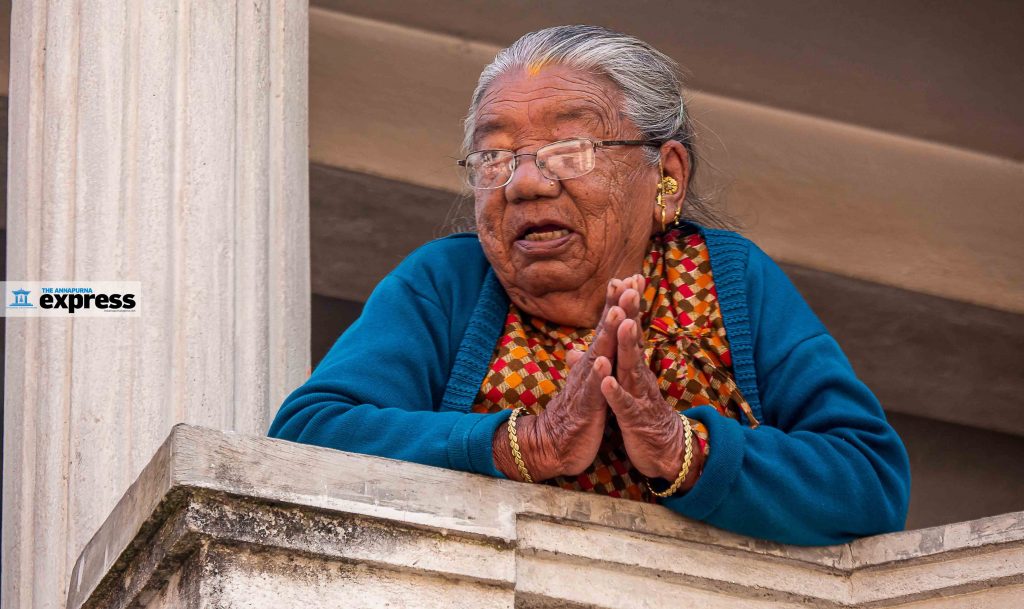
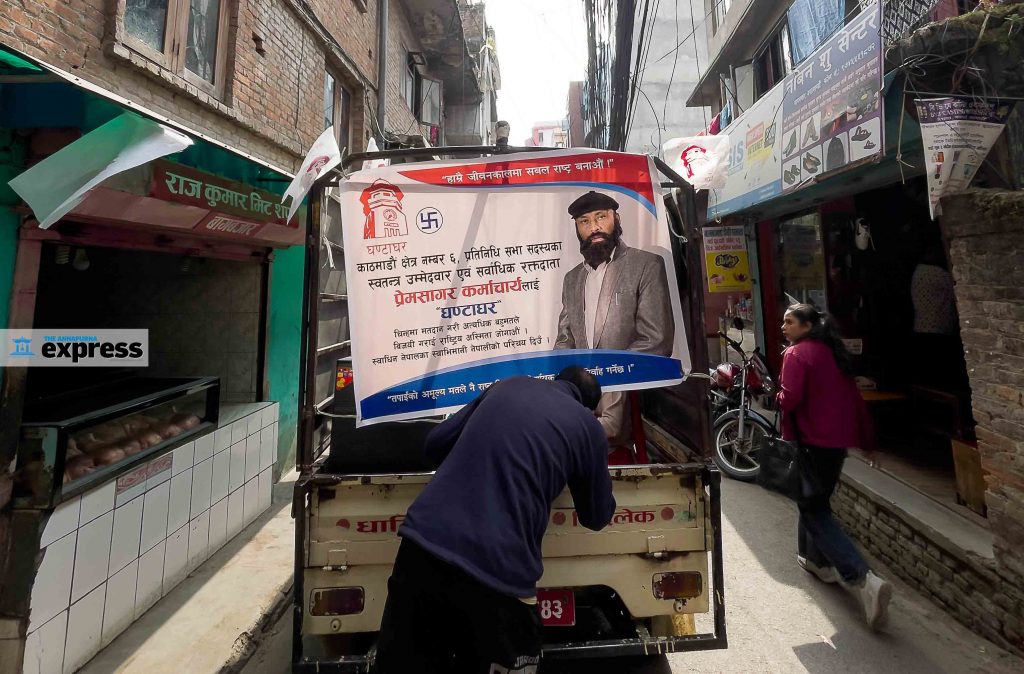
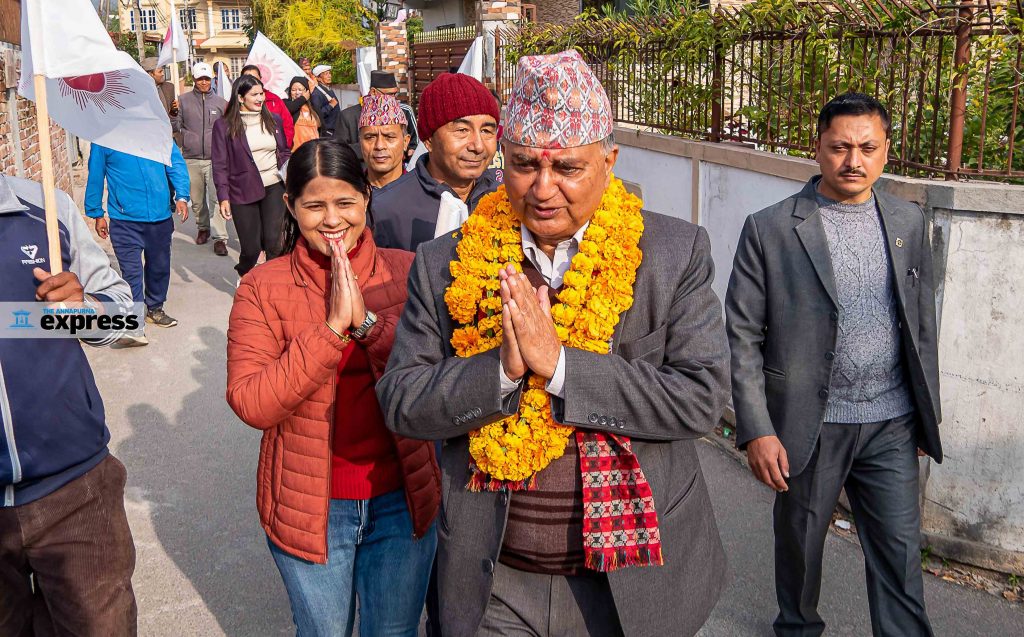
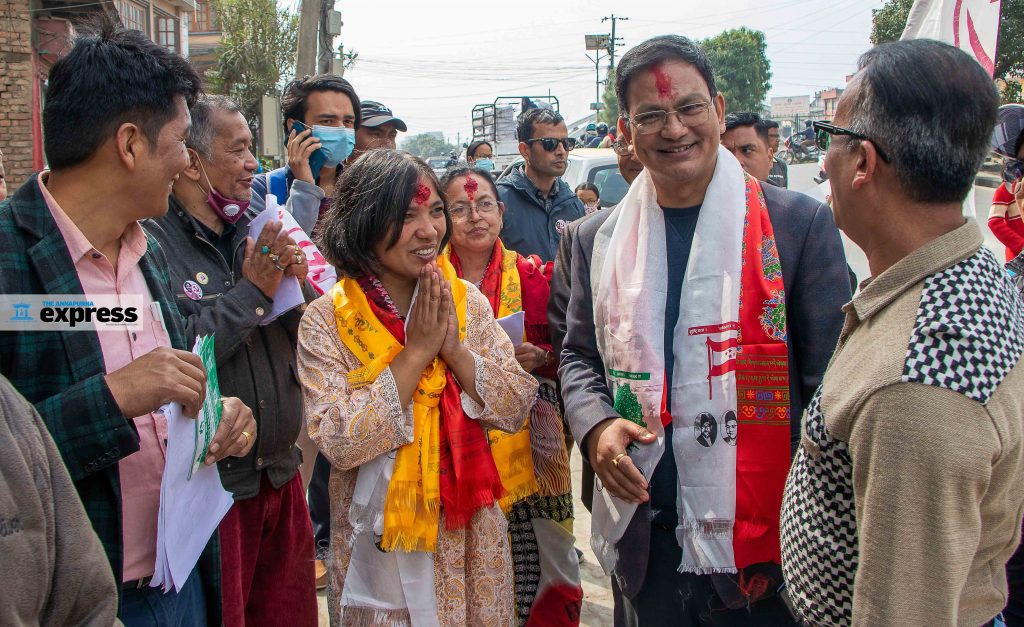
Election fever has gripped Kathmandu and the rest of the country. Candidates and their supporters are out campaigning, meeting their constituents and canvassing for votes. Election posters, flags, and fliers can be seen everywhere.
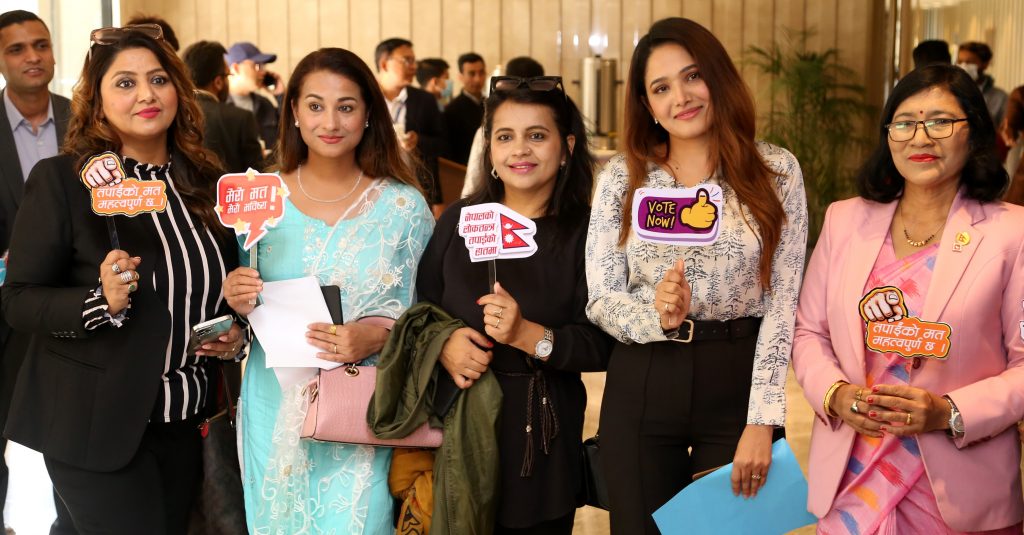
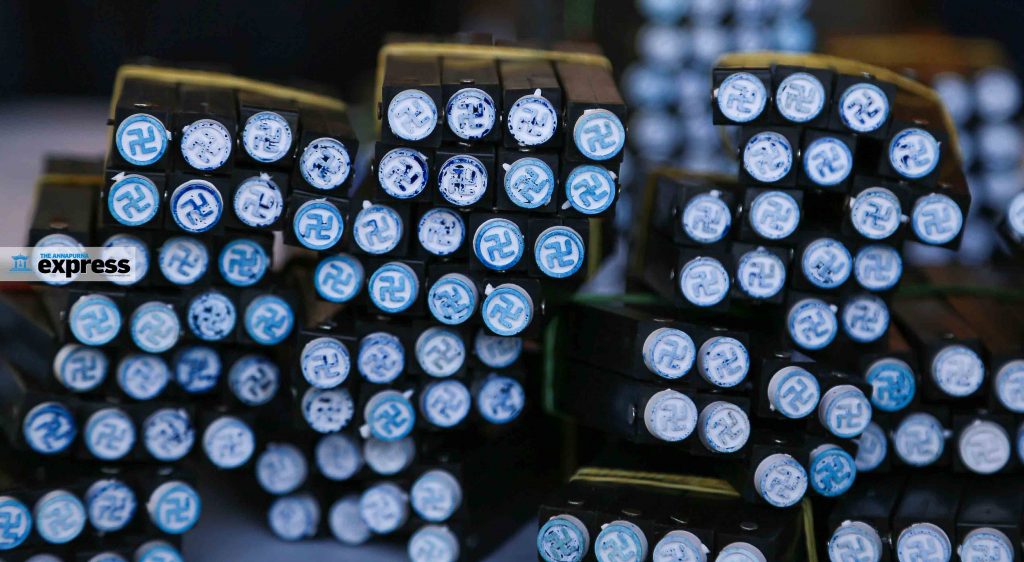
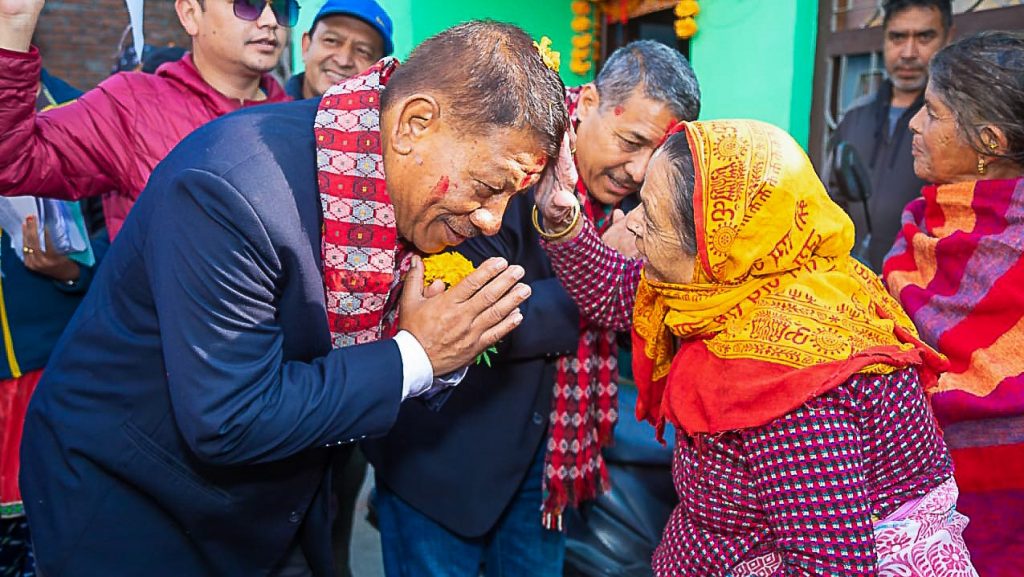 The Election Commission is also doing its part. Voting materials are ready and being shipped across the country. The poll body is also holding mock elections to reduce invalid ballot numbers, and meeting with celebrities and businesspersons as part of its voter awareness drive.
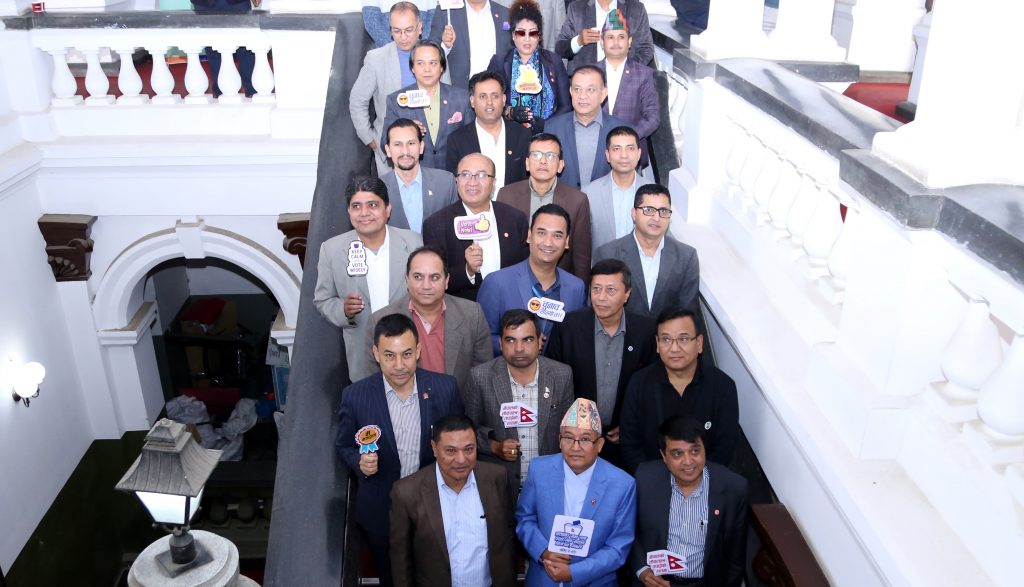 There are nearly 18 million eligible voters this time. Their ballots will decide who will occupy 165 of the 275 seats in the House of Representatives under first-past-the-post category. The remaining 110 lawmakers will be elected under the proportional representation electoral system. The November 20 vote will also elect 330 assembly members in seven provinces.
 For election security, Nepal Police is set to mobilize 186,693 personnel in all seven provinces. Likewise, Nepal Army and Armed Police Force are set to deploy 75,000 and 35,000 of their personnel. Additionally, the Nepal Police has also hired 115,000 temporary police.