


Profile | The hero behind the camera

“I initially wanted to be a Nepali film hero,” recalls Subrat Raj Acharya. So as a teen in the mid-80s, this Kathmandu lad took dance lessons and started doing stage shows. He was exploring ways to get into the film industry when around 1993 an opportunity finally knocked on his door, but not to be an actor. Acharya was rather hired to work as the third assistant director in the Nepali feature film “Andolan,” directed by Tirtha Thapa. The film had a budget of Rs 10 million, a huge sum at the time. Thus Acharya’s career in entertainment began, behind the camera.
Fast forward to 2021, Acharya, 47, is now a popular media-person, actor and director who has two Nepali feature films and around 500 music videos to show as his directorial ventures. “I got a lot of work right after my first film. So much that it hampered my studies,” Acharya says. “So at the advice of my father, I quit work and completed my mass communication degree.” The camera would not let Acharya stay away for long though.
After completing his studies he had only just joined Rajendra Shalabh’s production company Master Recording as a public relations officer when Acharya was asked to direct a music video, an offer he initially denied for lack of experience. But with Shalabh’s encouragement, Acharya in 1997 directed his maiden music video for the late Aruna Lama’s song “Haasi Haasi Jali Rahe” featuring Binod Manadhar and Poojana Pradhan as actors.

The professional journey has been long and successful for Acharya, who is also a journalist at a national-level tabloid, in fact one of the first and the most successful entertainment tabloids in the country. He had been working as a media person and directing music videos and movies at the same time before he quit his journalism job five years ago. But then he got even busier.
“In the past five years, I have had shooting schedules every other day, directing around three-four music videos every week,” Acharya says. His recent works include some of the most watched Nepali music videos. The song “Pirim Nalaune” by singers Aashish Sachin and Melina Rai, which Acharya directed two years ago, now has over 77 million views on YouTube, making it one of most watched Nepali music videos of all time. Subrat also directed singer Deepak Bajracharya’s “Mann Magan” which has crossed 29 million views. His more recent creations have all easily got into the unofficial ‘million club’. He has also made big-budget music videos including singer Sachin Rauniyar’s “A Manchhe” made with a whopping budget of Rs 1.6 million.
“But the most important thing is song quality,” Acharya says. “The success of a music video depends on the quality of singing, lyrics, recording and arrangement more than video quality.” Music videos are only visual interpretations and representation of songs, which, if done creatively, can make the audience watch them on repeat. Music inspires Acharya more than anything else as he looks to make each of his videos entirely different to his previous creations.
Compared to the of-late stagnant film industry, especially post-Covid-19, the music video industry is growing and plenty of money is flowing into it, Acharya says. After the first lockdown, there seems to be an influx of new singers, music video directors and actors. People have this new-found need to become ‘viral’, making them invest in music videos in the hope of gaining overnight popularity.
“While this creates many job opportunities for actors, video-makers and technicians, the unfair competition this creates might be counterproductive in the long run,” says Acharya. The unfair competition, Acharya explains, includes buying fake views in hope of attracting the real audience. Spending more on marketing than on the quality of their work, these people live in a bubble of popularity while the mass is largely unaware of their presence.
“We now have enough resources and skills to make international standard music videos,” Acharya says. “If only everyone focuses on their work and refrain from cheating, the Nepali music video industry has a long way to go.”

Superheroes | Heroes of the sky
The Covid-19 pandemic has brought to sharp relief many infrastructure-related hurdles in Nepal, one of them being access to transport. Moving infected patients who are in the same enclosed space as them is a challenge for frontline workers even during land transport. For helicopter pilots doing so in the air, even as they navigate Nepal’s difficult terrains, it’s doubly challenging.
As with most frontline workers, the pilots usually wear personal protective equipment (PPE). Most pilots ApEx spoke to said their helicopters are completely sealed in order to contain the virus--further adding to the risk of contagion within.
When patients need to be airlifted from the Tarai region, where the temperature rises up to 40 degrees in summer, the pilots in PPEs are drenched in their own sweat. They can’t even drink water as they need to be in masks, face shields and gloves at all times.
Captain Pasang Norbu Sherpa
Prabhu Helicopter

Sherpa is one of those pilots still carrying out rescue missions that aren’t just Covid-related. The pilot, who started out in 1995, works 10 hours a day, six days a week even during the lockdown. He’s on call for rescue missions, usually to the mountains. As it’s difficult to get PCR tests in remote areas, he doesn’t always know if the people he’s rescuing are infected or not. However, he still wears double masks and a face shield to be safe.
Just recently, Sherpa rescued a team of mountaineers from Everest Base Camp. Following that, he led another rescue mission to Dhaulagiri Base Camp. In addition to leading rescue missions, on average, he airlifts around three patients from different areas of the country and brings them to their designated hospitals.
While flying with a double mask and a face shield is uncomfortable, Sherpa confesses that the biggest issue during rescue missions is still the bureaucratic red tape. “During missions, we cannot fly until we get full details from ward offices or until we receive approval from the authorities. This takes a long time,” the captain says. “This isn’t feasible during emergency situations where the patients are already on the brink of death.”
Captain Hare Ram Thapa
Simrik Air

Captain Thapa has been on countless rescue missions since he started flying in 2010. He’s witnessed health emergencies and travel accidents throughout his career. Since his first Covid-related airlifting on October 12, 2020, pilot Hari Ram Thapa has transported over fifty Covid-infected patients from all over Nepal.
With ten hours of office time in which seven hours is allocated for flights, Thapa airlifts anywhere from one to three patients a day. Since he works in a department that has been exclusively assigned to look after Covid emergencies, he’s moving all over the country, according to demand. When ApEx spoke to Thapa, he was in Pokhara after just transferring patients from a remote area to a hospital there.
Captain Deepak Garbuja Pun
Kailash Helicopter Services

Pun’s department airline began rescue operations in late October. Since the captain started at a time when infection rates were still containable, he used to get one patient per day. However, as the pandemic raged, he now ferries two-three patients a day on average.
Before the pandemic, Pun used to fly patients from remote areas to well-equipped hospitals inside Kathmandu. When the hospitals in the valley stopped taking new patients due to shortages in ventilator, oxygen, and bed shortage, much of his flights had to stop. Even when it was resumed, he had to take patients from Kathmandu outside the valley for treatment. He recalls incidents when he took sick individuals from the capital to Biratnagar.
As the situation improved, he’s been bringing in patients from Bhairahawa, Nepalgunj, and Pokhara. Pun, who has been flying for the last 22 years, also finds the heat very challenging. “We are double-masked and double-gloved inside PPE, and it gets very sweaty,” the captain tells ApEx.
Captain Ananda Thapa
Altitude Air

Captain Ananda Thapa’s airlifting missions are mostly focused in the Western Terai of Nepal, including areas such as Biratnagar, Siraha, Janakpur, Birgunj, Bhairahawa, Nepalgunj, and Chitwan. Among the hilly areas, he’s received emergency calls from Rukum and Surkhet.
Normally, the captain works anywhere from 7-10 hours. However, because many of his missions need him to fly to areas with high temperatures, he has limited his flight time to five hours as a precaution.
“It’s extremely daunting for us to push our physical limits and fly in hot temperatures whilst wearing PPE,” he says. “Most of us are drenched in our own sweat when we land back in Kathmandu.” Thapa is flying three-four patients a day on average.
In his 14 years of career, this is also the first time he’s been forced to isolate himself from his family due to his job. The captain usually stays alone in his own room. An ex-army man, Thapa is used to risky situations, but the pandemic has brought the danger to his family as well, but he’s determined to fight it any way he can.

Profile | Ekanta Pana not so desolate anymore
On days when the rest of the world goes to school or work, Swornim Shakya sits in front of a computer in this room holding a pen and a tablet.
Even though the 24-year-old grew up around a family of artists, he hadn’t thought of making a career out of digital illustration.
“I was more into photography,” Shakya shares.
“I wanted to do something in that field, but back then, it was hard to find work as a photographer unless you did event shoots.” While shooting at events would help him earn money, he couldn’t do it as it wouldn’t give him a creative outlet.
However, his hobby taught him image manipulation software at an early age. As Instagram’s popularity grew, Shakya was inspired by foreign creators who drew digitally and used their art skills to earn their livelihood.

“I started out by making handicrafts and carving wood,” remembers Shakya. He saved up his salary for a while and finally bought a Wacom tablet.
“Back in 2017, digital illustration was still in its fetal stage in Nepal,” he says. There were only a handful of art pages from the country and even fewer related to digital drawing. For Shakya, it was hard to find critics for his works. “I had to be my own critic for a long time,” he confesses.
“And I’m still very careful about what I put out. I don’t post my artwork unless I think they’re worth showing.”
It’s hard to pin down Shakya’s art style for he draws everything from cartoon-like characters to large, detailed portraits and fictional creatures. When asked if he’s influenced by his family’s Thankas, Shakya said that while his artistic family background might have affected him as he grew up, he’s now more interested in branching away from the religious and traditional aspects of it and taking up newer challenges. “I’m more inspired by digital artists right now,” he says.
Some may think that being exposed to art from a young age makes people more skilled, but that rarely holds for digital illustrations because, even though the concept of the art is similar, the process of it is completely different. You have to go back and relearn all the basics of art to get a hold of digital drawings. And the same holds for Shakya.
Right now, most of his work includes freelancing for different companies and institutions to make designs for posters, merchandise, and stills for videos. He’s also busy experimenting with different tools and sharpening his skills and styles. Most of what he makes independently also shows up on his Instagram.

“I make art for myself,” he says. “But I also want people to take something from my work, from what I portray.”
While he is doing well for himself today, this success didn’t come to him easy. In addition to the lack of feedback, Shakya also had a hard time building a career in illustration at a time when people didn’t know what it was.
Even though everything was in the process of becoming digitalized, people were still skeptical of anything that came from a computer and the internet.
The lack of digital space community also contributed to his loneliness. He was struggling alone, with no one to reach out to for advice or applause. Shakya drew for himself, posted for himself, but he was always aware of how alone he was. That’s also why he’s named his Instagram page, Ekanta Pana, a tribute to the peaceful but isolated journey he’s had.
After all these hurdles, today, Swornim Shakya stands as one of the first few people in Nepal to run a digital art page. Most days, he makes his own schedule and you can find him working from home, drawing for a living on the same tablet that he bought years ago.

Youths harnessing internet’s power to fight Covid

On May 10, Prime Minister KP Sharma Oli claimed from the rostrum of the House of Representatives, “Out of 27,000 hospital beds in Nepal, 16,000 belongs to the government hospitals. And only 8,000 beds in government-run hospitals are occupied.”
On the same day, the Ministry of Health and Population, in its daily briefing, disclosed that 139 people had died of Covid-19 while 9,127 tested positive for the disease in the past 24 hours, contradicting the prime minister.
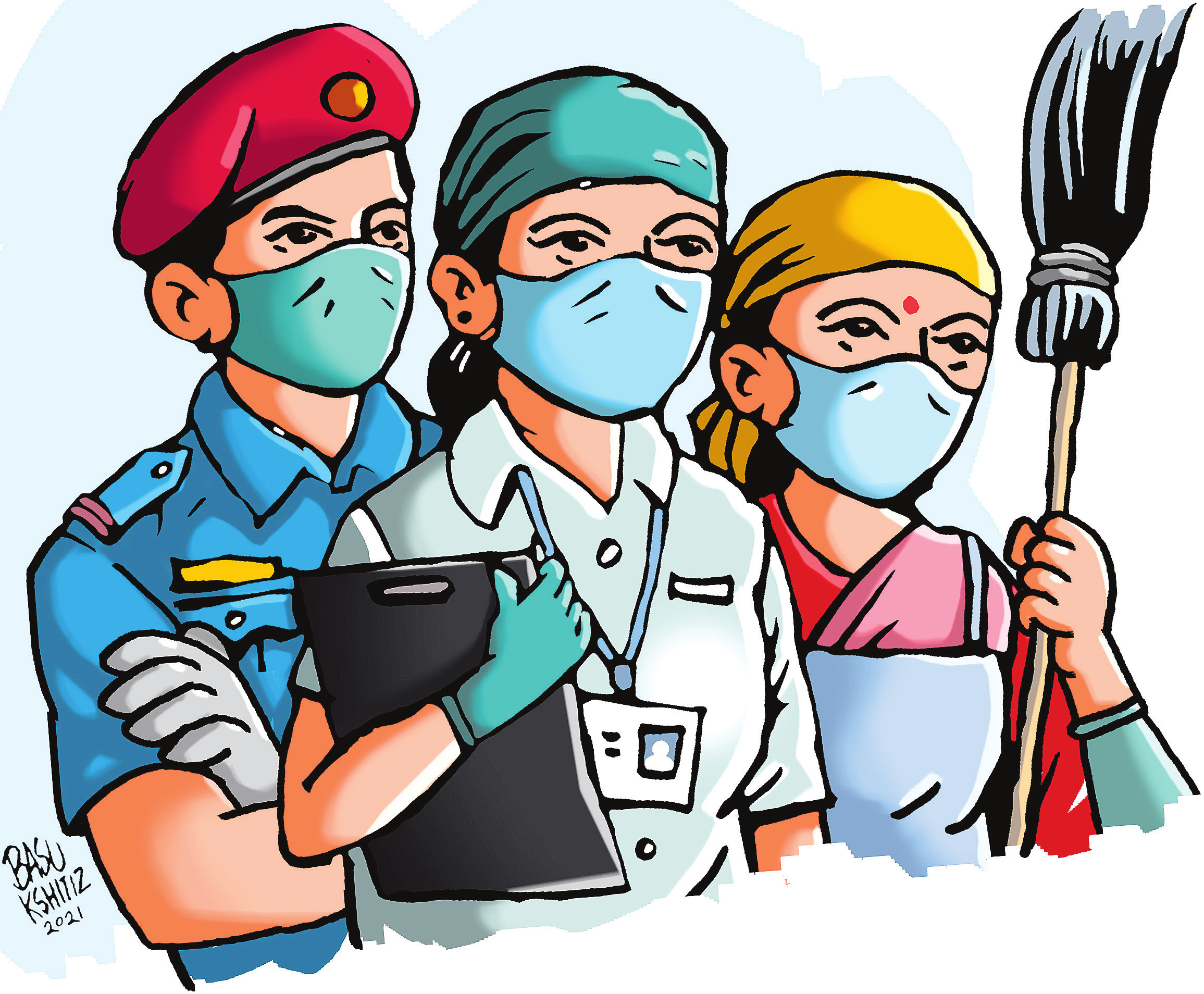
The Covid-19 contagion in Nepal is going from bad to worse. In this situation, many people have taken up commendable personal initiatives, largely in order to fill the vacuum left by the government’s inaction. ApEx talked to four such enterprising youths.
Anamika Nehuray
A resident of Bhaktapur, Nehuray is an MBA in finance who runs a startup that imports various merchandise and sells them local markets.
Nehuray, 25 says she loves people’s company. “I get inspired by those around me,” she says.
During the first lockdown in Kathmandu valley, Nehuray one day received a call, asking whether she would like to volunteer with Covid Connect Nepal. A couple of her friends had initiated the digital platform to connect healthcare seekers and providers. She jumped at the opportunity. “I like helping people,” she says.

During the first wave of Covid-19 in Nepal, everyone learnt of the limited government capacity to deal with the crisis. At that time, she had wanted to help people in distress, but because she didn’t have a team to work with, she couldn’t do much on her own.
Nehuray is now the co-lead of the data team at Covid Connect. Her team of almost 55 members prepares the list of hospitals (province-wise) and the services they provide. The dataset is updated every three hours.
“We often get requests for oxygen and other necessities from hospitals and stores,” Nehuray says, adding that the condition has worsened to an extent that those who were earlier offering help now need help themselves.
Nehuray says she feels proud to be a member of a hardworking and service-oriented team. But given the scale of the crisis, their effort is still not enough. She hence appeals to every Nepali citizen to come out and together fight this common enemy.
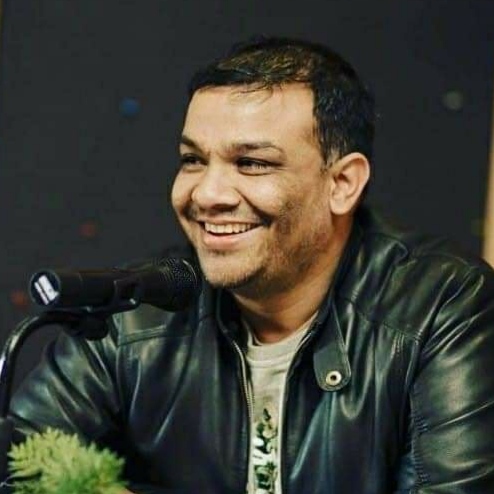
Dibyesh Giri
The 39-year-old owner of an IT company has a master’s degree from Pune University. These days, he is busy coordinating with a team of volunteers from Samartha Nepal—a non-profitable organization that conducts free medical checkup camps.
Giri completed high school in his hometown Janakpur and like others, grew up with the dream of becoming a doctor or an engineer.
Right after his graduation, the government and Maoist insurgents signed the Comprehensive Peace. Giri soon returned to Nepal, leaving his job with a multinational company in India.
His team started Plasma Connect back in late 2020 to verify and compile information on convalescent plasma, which is used to tread gravely ill Covid-19 patients, in one place. “Being an IT enthusiast, I tried to match and connect donors and receivers via our website,” Giri says, adding that his initiation has helped more than 300 people so far.
Besides Plasma Connect, he is working on another platform, Nepal Covid Support, which manages every kind of Covid-19 logistics in one place, where “our dedicated volunteers collect and verify data before providing it to the public.”
“In this period of crisis, Covid-19 related resources should be well verified, updated, and filtered—and fast—to save precious time,” Giri says. “Every second counts.”
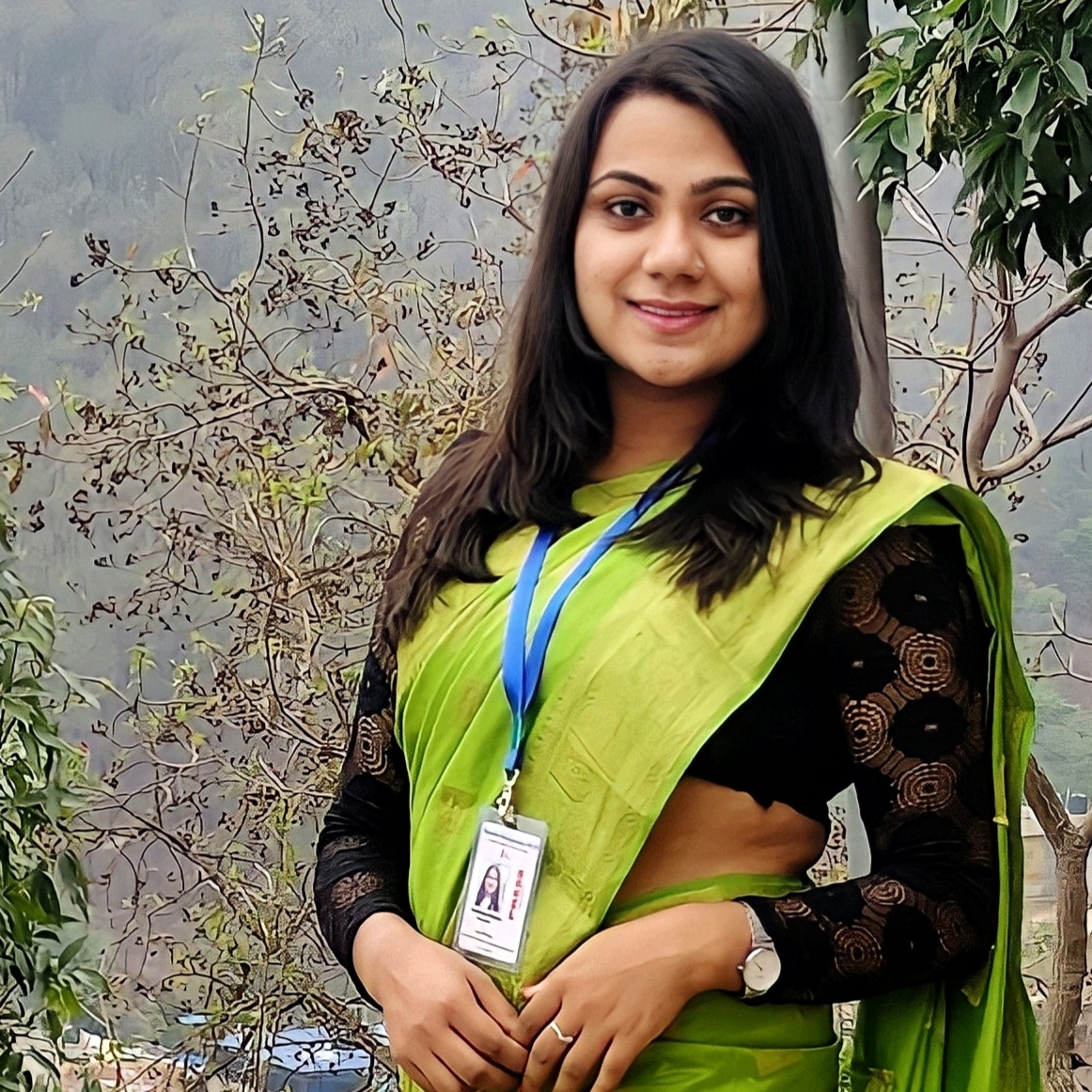
Sudikshya Ghimire
“Wherever I do, I need to do it to the best of my ability,” says a 21-year-old BA second year student Sudikshya Ghimire who hails from Tansen, Palpa.
She has recently been working as a frontline worker in Covid Connect Nepal. Every help request or offer passes through her as the team has designated her private number as a hotline. Patients or relatives directly connect with her and she verifies, locates, and filters the first layer of the database. “Their pain and problems are my own,” Ghimire says.
At this point, all her callers sound helpless and neither she nor her team can help them enough, however hard they work. There have been challenges: “Some patients have died while their relatives were asking me over the phone to arrange medical logistics.”
Ghimire expresses frustration at the government’s clumsiness. “They are not doing a thing and because of that, people are dying for want of basic health assistance.”
Saurav Thapa Shrestha
After working at a youth empowerment organization, Saurav Thapa Shrestha, 24, had learned how to effectively work in a team. The graphic designer now looks after the social media and design part of Plasma Connect.
Shrestha had been following clinical trials and research on plasma therapy abroad. After finding that plasma therapy was also being used in Nepal to treat Covid patients, he joined forces with his friends to form an alliance to connect people in need of convalescent plasma with those willing to donate it. These days, he is busy collecting verified contact details of ambulances so that people do not have to waste valuable time looking for them.
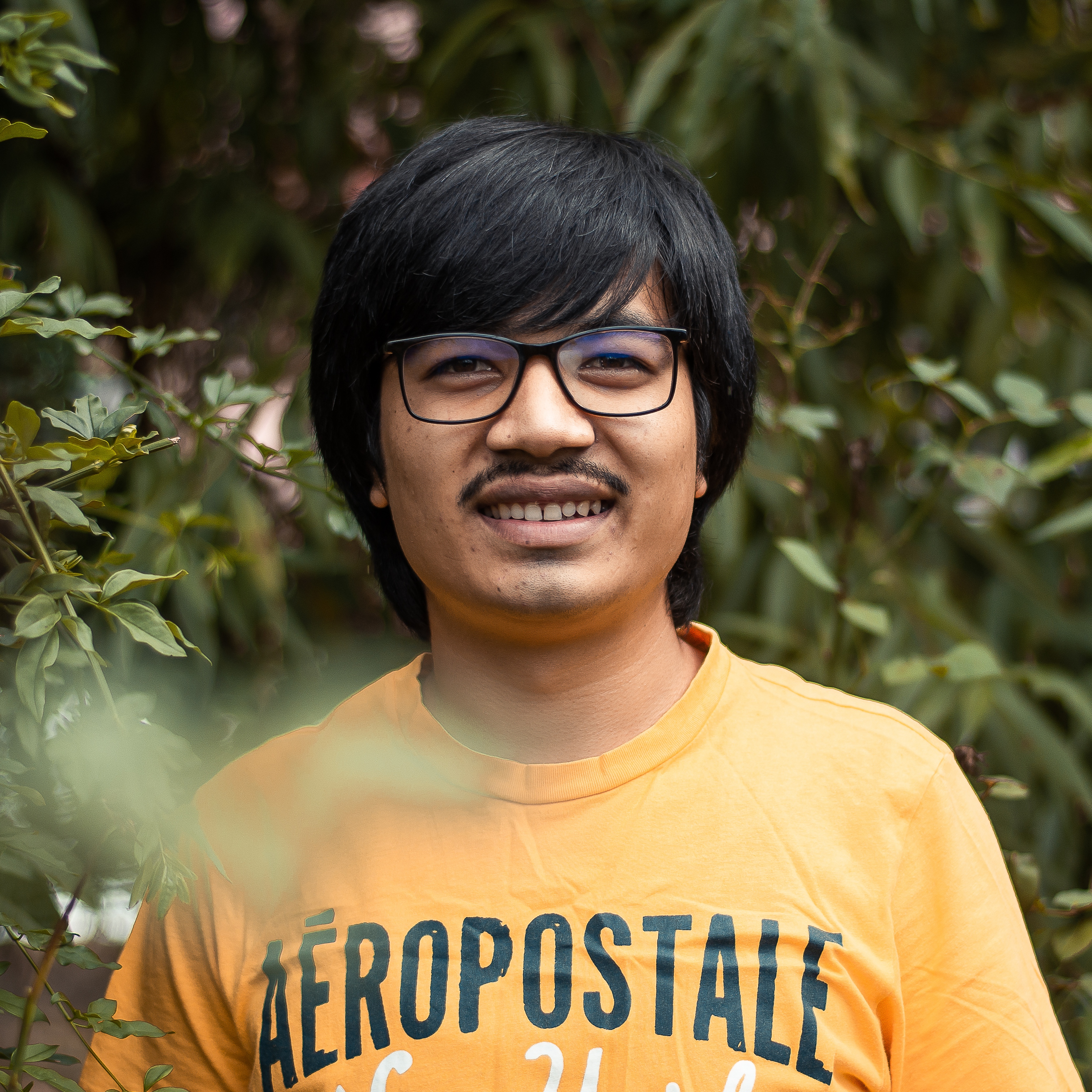
Shrestha says he was interested in volunteering since his childhood. “In class 10, I had proposed and initiated a social club in my school,” Shrestha explains. The club collected funds to support needy students in his school.


