


“Richard Jewell” movie review: When the media misleads

‘Trial by media’ is not a new concept. In today’s digital age, technology has turned each one of us with the internet and smartphones/devices into sources of information. Microblogging sites have empowered us to tell our own stories. But for the same reason most of us end up telling others’ stories—without verifying facts, without understanding the truth. In Nepal, ‘Trial by media’ is a rampant problem, with most of our social media users falling for false information. At the same time, our voyeuristic nature leads us to pry into the lives of everyone, famous or not.
Recently released on Netflix, “Richard Jewell” is a movie that tells the story of a man whose life is forever changed by one case of misreporting. Richard Jewell (Paul Walter Hauser)—the lead character—is a young man who aspires for a career in law enforcement. From being an office supply clerk to a security guard, Jewell keeps switching jobs to get closer to his goal of becoming a police officer.
One such stint as a security guard lands Jewell at the Centennial Park in Atlanta, where the 1996 Olympic Games are being held. In one of his shifts, Jewell notices a suspicious package under a bench and quickly informs police officers on site. Explosives experts soon arrive and declare the package a bomb. A quick evacuation of the people near the periphery follows, with Jewell playing a significant part in it. And although the bomb explodes, many lives are saved because of Jewell’s quick thinking and decision-making.
The next day, Jewell is an American hero. He is all over the newspapers, television and radio, even getting offers for an autobiography. But he hardly gets to revel in his newfound fame. FBI agent Tom Shaw (Jon Hamm), who is also on duty at the time of the bomb blast, profiles Jewell as a “white, male, wannabe police officer.” The profile and Jewell’s history of desperately wanting to get into the police turn him into a suspect instead.
The FBI’s investigation in itself would not have been very harmful for Jewell. But then a local journalist Kathy Scruggs (Olivia Wilde) of the Atlanta-Journal Constitution manages to unscrupulously extract information on him from agent Shaw. Her news article brands Jewell a terrorist. From then, Jewell and his mother Bobi (Kathy Bates), with whom he still lives, find their privacy violated. They become the center of investigation from the FBI and face a trial conducted by media houses and their reporters. How Jewell, with the help of his friend and attorney Watson Bryant (Sam Rockwell), fights against the FBI, the media and the people in general makes up the rest of the film.
The true story of Richard Jewell is based on the 1997 Vanity Fair article “American Nightmare: The Ballad of Richard Jewell” and the 2019 book “The Suspect: An Olympic Bombing, the FBI, the Media, and Richard Jewell, the Man Caught in the Middle” by Kent Alexander and Kevin Salwen. The film is produced and directed by the legend Clint Eastwood who manages to tell the eponymous hero-turned-villain’s story with the earnestness and grit he’s known for.
Richard Jewell takes the story of a wronged individual and places him at the center of attention. In the process the audience also gets to look at the accused as a human being. The titular character Jewell has his own flaws and vices. But is that reason enough for the media to brand him a demon? His story shows how an individual can easily become powerless against dishonest journalists and people’s biases.
Who should watch it?
Richard Jewell is a film that repeats the story of Jewell and makes the audience aware of the repercussions of giving into every bit of media information. Media can be biased; they can be wrong. So it’s the responsibility of every individual to crosscheck information without passing a quick judgment on anyone. My friends in the media as well as all those who frequently use social media to disseminate information must watch this film.
Rating: 4 stars
Genre: Biography/drama
Director: Clint Eastwood
Actors: Paul Walter Hauser, Olivia Wilde, Sam Rockwell
Run time: 2hrs 11mins

Photo Story | After Ramayan’s eponymous twins rode into K-town
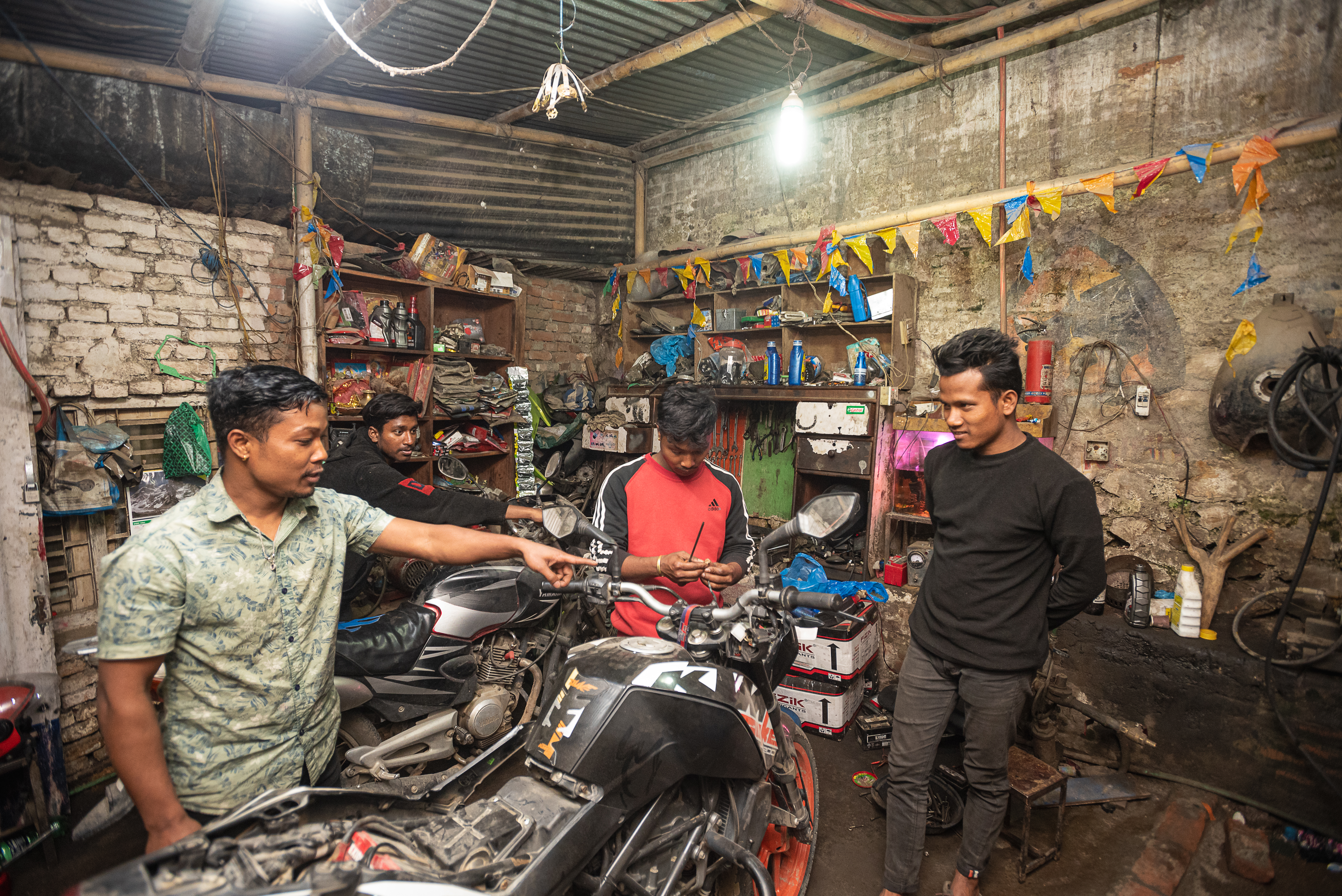
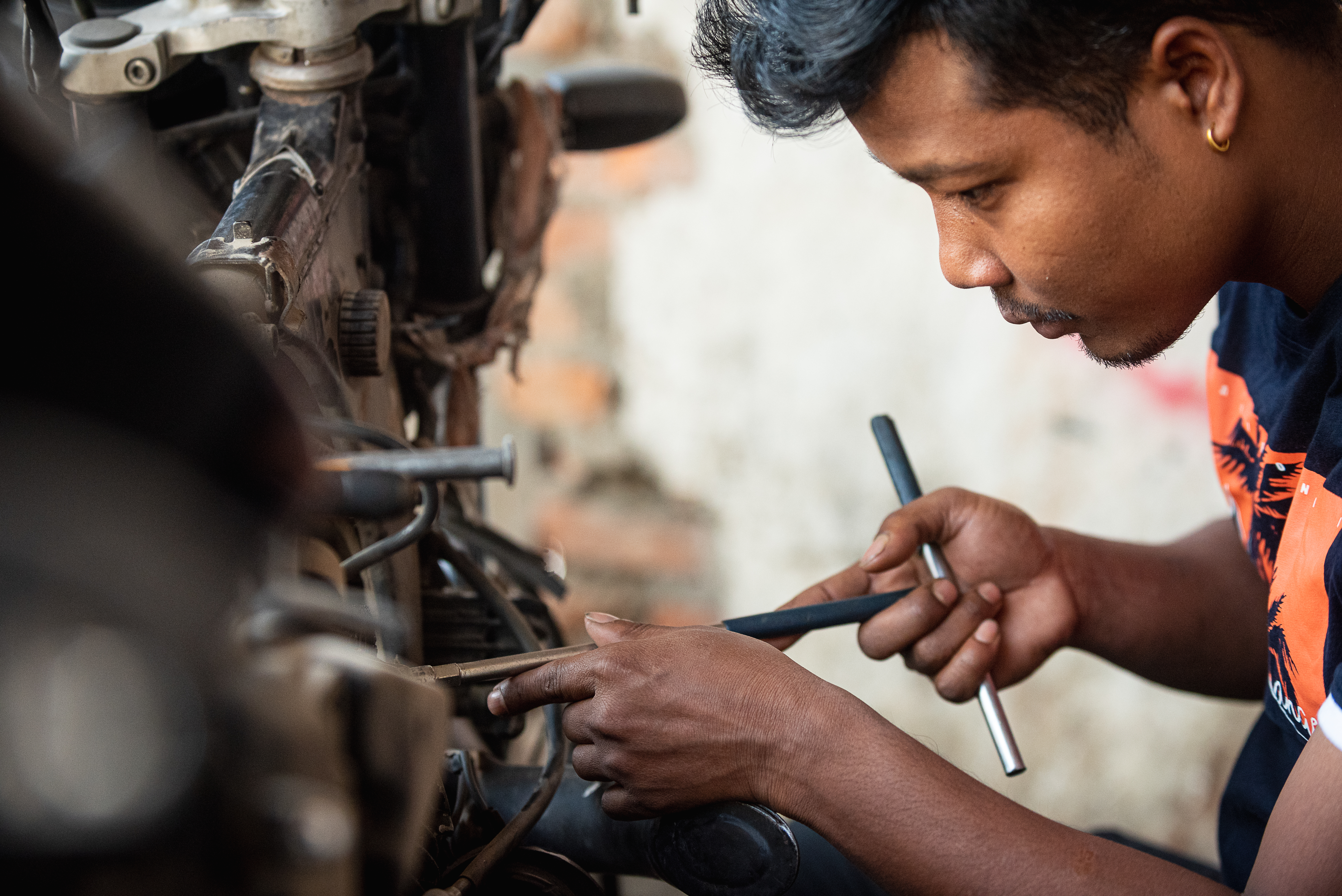
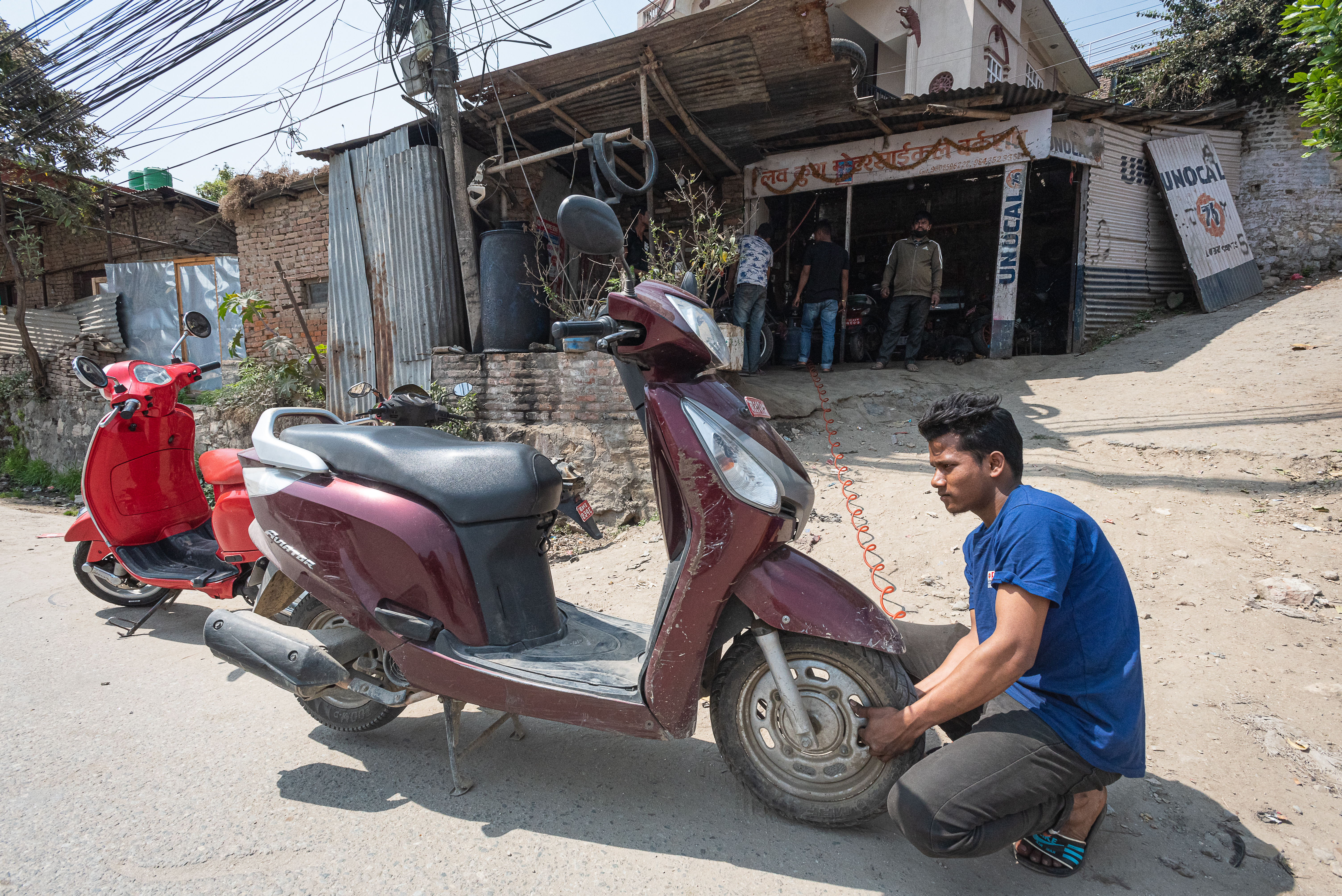
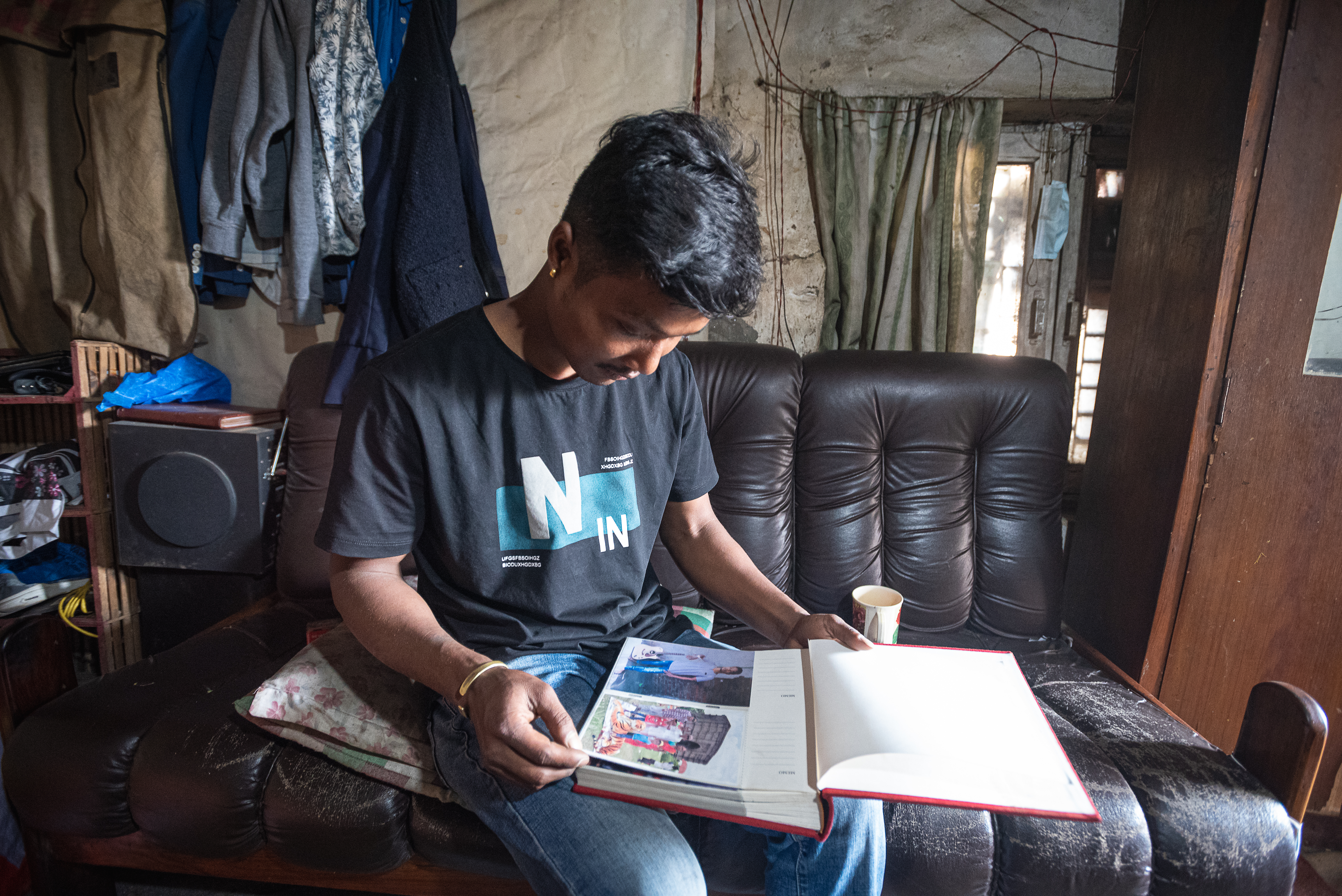
Lov and Kush Roy are twins born 10 minutes apart in Siliguri of India’s West Bengal state. The brothers left their ancestral home when they were young and came to Kathmandu in search of work. That was nearly two decades ago.
After coming to Kathmandu, they took up various odd jobs to survive. For years, Lov and Kush worked as car mechanics, jewelry shop assistants and construction laborers, until they had saved enough money to open their own motorcycle workshop.
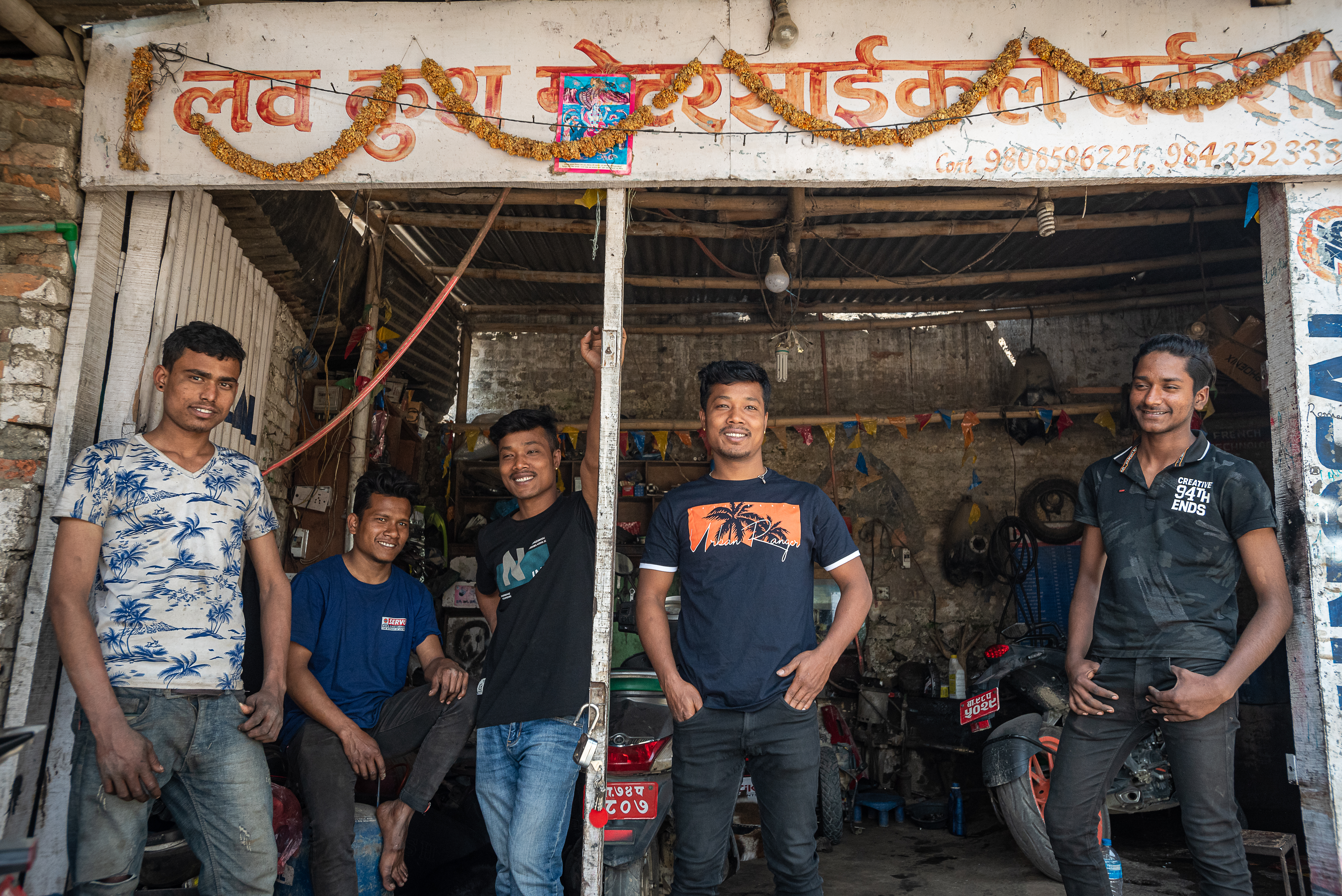
Lov-Kush Motorcycle Workshop at Sinamangal has been in business for nine years now. The shop also employs three workers. The twins, 27, say they are self-taught mechanics and they are passing on the skills to youngsters. The workshop opens at 7 am and closes at 10 pm. The Roy brothers also offer a 24-hour motorcycle mechanic service. The work is hard, but it’s also fulfilling, say the two brothers.
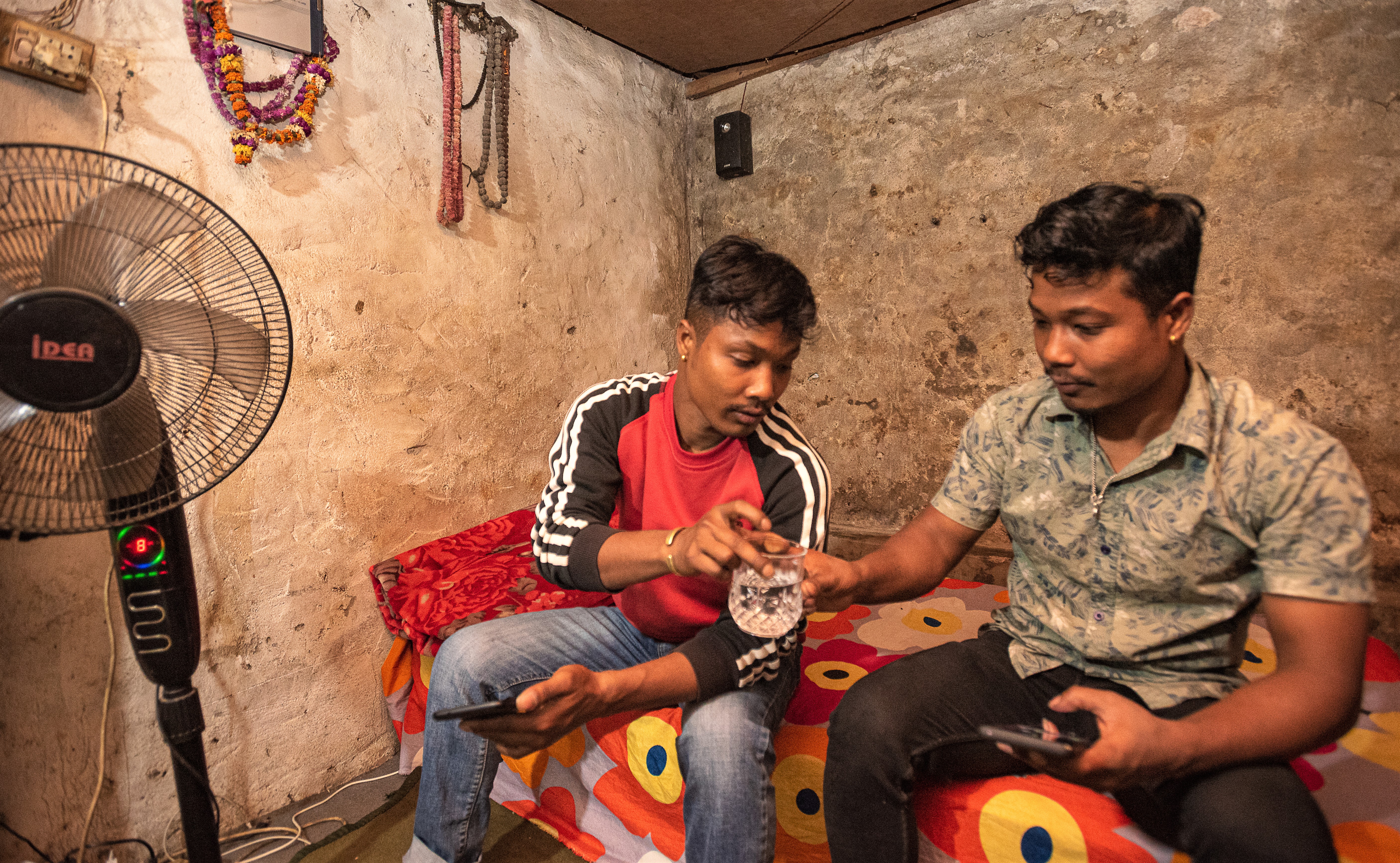
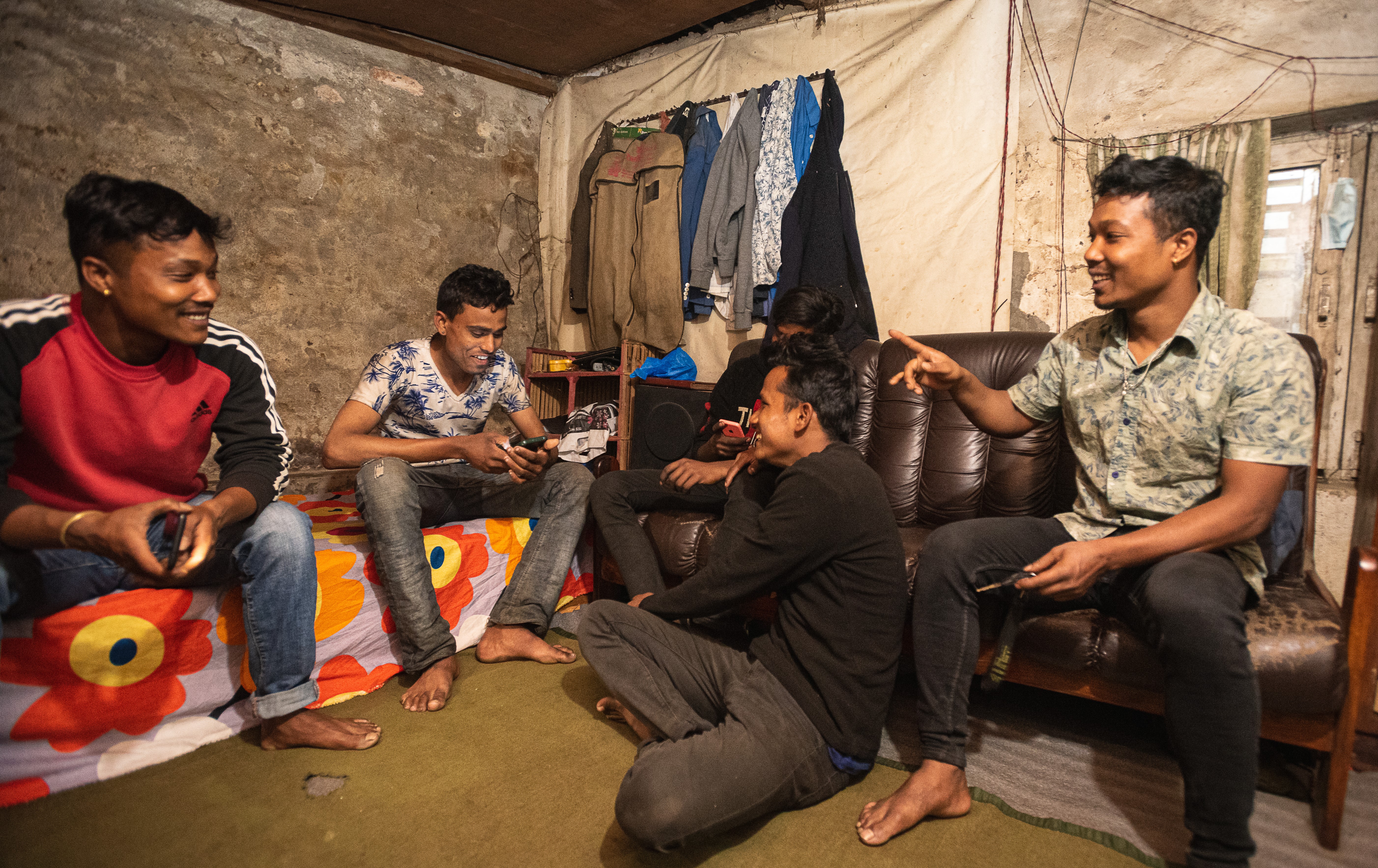
I captured some glimpses from their hardscrabble lives this week. The photos show the twins at their workplace and their home.



Karolina Bielawska from Poland wins the Miss World 2021 crown
Karolina Bielawska from Poland has won the 70th edition of the Miss World pageant that took place in Puerto Rico, Hindustan Times reported.
She is the Miss World 2021 winner. The coronation took place at the Coca-Cola Music Hall in San Juan, Puerto Rico. While Karolina is the winner of the coveted title, Shree Saini from the United States is the 1st runner-up, and Olivia Yace from Côte d'Ivoire is the 2nd runner-up.
Toni-Ann Singh of Jamaica crowned Karolina Bielawska as her successor on March 17 (IST). Manasa Varanasi, who was in the Miss World race for India, went up to the Top 13 candidates but was not selected in the Top 6 winners list.
According to the Miss World Organisation, Karolina is currently studying for a Master's Degree in Management and would continue her studies with a PhD, the Hindustan Times reported.
She also works as a model, and one day she hopes to become a motivational speaker. She enjoys swimming and scuba diving and playing tennis and badminton.
In a post on their Instagram account, the Miss World Organisation wrote that Karolina is passionate about the voluntary work that she is involved in.
Her Beauty with a Purpose project, called Zupa Na Pietrynie, provides constant help to homeless people in crisis, raises awareness of this problem, and fights against social exclusion.
Every Sunday, the project aims to provide hot meals, food packages, drinks, clothing, masks, law advice and professional medical support for almost 300 people in need in Lodz, a city in Poland, Hindustan Times reported.
"Many of these people did not have access to register for a Covid-19 vaccine but the project was able to get Governmental permission for over 400 people to receive their vaccinations.
The project also built the first Social Bathroom for people in the homelessness crisis in Lodz," the Miss World page wrote.

Suneera Regmi: Sky is her limit
Suneera Regmi, Nepal’s first woman aerospace engineer, is still a rare female in a male-dominated arena.
Regmi’s fascination with airplanes started young. Her uncle, who worked for Nepal Airlines Corporation (NAC), used to take her to the airport.
“Seeing planes fly, I wondered how it was even possible,” she recalls. That curiosity would one day propel her into the rarefied field of aerospace engineering.
It was at Little Angels’ School in Hattiban, Lalitpur that she developed her love for math and physics. The two subjects, she says, helped her make sense of the world and everyday things happening all around.
“When we were taught about gravity for the first time at school, I remember wondering how an aircraft could defy a force that tries to confine us to the ground,” says Regmi, who is now 34.
After completing school, Regmi went to India for higher education. She studied math and physics at Vivekananda Junior College in Tenali, Andhra Pradesh.
When she returned home after two years, Buddha Air had just announced a new cadet pilot training course. Regmi jumped at the opportunity and signed up for the course that also promised a guaranteed job.
Nine trainees, including Regmi, were selected for the course. But the training was too expensive for her family. Regmi realized that her dream of becoming a pilot would not come true. But she remained unfazed and started exploring other career options within aviation.
Regmi shifted her focus and now decided to get a BTech degree in aerospace engineering. With that intent, she enrolled at the National Institute of Aeronautical Engineering in Dehradun, India.
Regmi says she was the only woman in her class to specialize in aeronautical engineering. In 2008, she returned home with her engineering degree and began an internship in the maintenance section of the NAC.
Regmi was 22 at the time. Back then, she says, Nepal’s aviation industry rarely opened job vacancies for aeronautical engineers.
“Around that time, my college friends were being hired around the world as aeronautical engineers. I, on the other hand, was working as an intern and getting increasingly hopeless,” she says.
Regmi wanted to get a license as an aviation maintenance engineer and work in the country’s aviation sector, but things were not panning out as she planned—until they did.
After interning for a year, the NAC called for a vacancy for an operational engineer, the first time it had done so in 18 years. Of the 23 applicants, Regmi was the only female.
“Even the examiner didn’t believe that I had come for the test,” Regmi says with a laugh. That was when she discovered that she was the first Nepali woman to apply for the position.
Regmi, who was 23 at the time, got the job, thus becoming her country’s first hired woman aerospace engineer. Her heart soared like a hawk when she broke into what was considered a male bastion.
“Being the only woman in the job certainly presents some challenges, but you must remember that you are a professional,” she says.
Regmi worked as an operational engineer for five years before taking a study leave to pursue her Master’s. In 2015, she was selected for an M. Tech. course at the Indian Institute of Technology (IIT) in Mumbai, India.
Regmi completed the course and upon her return to Nepal, she was promoted to the post of senior flight operation engineer. She became the deputy director of flight operational engineering at NAC in December 2021.
Regmi worked as the only woman aeronautical engineer at the NAC for a decade before another one was hired. She wants more women to join engineering and other technical fields, where women representation—and not just in Nepal—is dismal.
“There are still many professions that are dominated by men,” she says. “We should strive to change the concept of such gendered jobs.”
To increase the number of women professionals in technical fields, there is a need to pique the interest of girls and young women in these fields and provide them proper education, she suggests.
“I am glad I chose this profession. My love for the job I do drives me on, to do better,” says Regmi. “I want other women to pursue their dreams too. They do come true.”


