


Likhu corridor turning into ‘hydro hub’
Seven hydropower projects are currently being developed along Likhu River, a glacier running through Okhaldhunga, Ramechhap, and Solukhumbu districts in eastern Nepal. The projects, situated in Likhu Rural Municipality of Okhaldhunga district and Bijulikot of Likhu-Tamakoshi Rural Municipality of Ramechhap district, will yield a total 329.6 MW of electricity upon their completion.
A 58 MW Vision Hydropower Project plant is being developed at Lahachhewar in the northern part of Ramechhap. Access road and other structures are being built, in addition to a powerhouse near Umatirtha of the district.
Likewise, 77 MW Likhu-1 has reached the last phase of construction, with the injection of funds from Prime Bank, among six other banks. The Dugar Group has the largest shares (30 percent) in the project whose estimated cost of production is Rs 180 million per megawatt. The project will be completed this August, according to Rajan Chhetri, an official with the Group.
Water coming out of the project is utilized for another project, 55 MW Likhu-2, with Machhapuchhare Bank as the largest investor. A third project, 29.4 MW Likhu-3, is being simultaneously developed downstream. It was also supposed to start generating electricity by August. Works on tunnels, powerhouse, and transmission lines are underway in all three projects. The generated electricity will be connected to the national grid at Garjan sub-station at Chuchure of Ramechhap district.
Meanwhile, about 30 percent work of 52.2 MW Likhu-4 has been completed. The project site lies between Khijidemba of Okhaldhunga and Umakunda of Ramechhap and the powerhouse will be built at Limti of Okhaldhunga. Similarly, Lower Likhu project is under construction at Dhande along the border of Okhaldhunga and Ramechhap districts. About 50 percent work on the 28.1 MW project has been completed.
The projects will directly benefit two rural municipalities each in Okhaldhunga and Ramechhap. Locals are happy to see the seven projects being developed simultaneously.
“Likhu River is becoming a hydro hub. We are happy that roads, drinking water supplies, and other infrastructure are being built in our area,” says Mawar Sunuwar, council member of Likhu Rural Municipality. “The entire area will soon see a facelift.”
“Crucial infrastructure will be built in the villages with the seven projects,” says Lila Sunuwar, a social activist of Khijidemba Rural Municipality. “Locals of the affected area will get compensations, and the entire area will be developed. Moreover, locals will have shares in the hydropower projects, which in turn will help improve their economic conditions.”
“There is also a possibility of water-tourism in Khijidemba and Likhu areas,” Sunuwar adds.
Says Chandrakanta Sunuwar, public relations officer of Likhu Rural Municipality: “Locals hugely benefit from the projects’ by-products, which include infrastructures for health, education, drinking water, and transport”.

We don’t cheat, but are cheated upon
We don’t cheat, but are cheated upon
Most taxi users in Kathmandu complain of taxi drivers cheating them on fare. Either these taxies have a tampered meter, or they don’t want to go by the meter. Passengers claim taxi drivers often ask for exorbitant fares. They also complain that taxi drivers decline to go if the destination is close. The taxi drivers’ version, on the other hand, is rarely heard. This week, APEX caught up with 12 taxi drivers on the streets of Kathmandu and asked what they made of the cheating allegations against them.
Ram Sharan Negi, 51
I have been in this occupation for 30 years. I respect the will of passengers. I am okay whether they want to go by the meter or negotiate a price beforehand. But not all taxi drivers are so respecting of the passenger’s wishes.
Kumar Niraula, 40
Actually, taxi drivers don’t cheat but are cheated upon. Salary rises in other jobs, but the taxi fare has remained the same, year after year. We have been compelled to seek a little extra fare.
Sambhu Thami, 30
No one snatches money from the passengers. People ride taxi after negotiating. They can complain to the traffic police in the event of cheating. I go by the meter even if I am at loss.
Kamal Bahadur Dahal, 45
I usually go by the meter. But sometimes passengers reject the meter and negotiate a price. Whatever I earn is inadequate. Only an increase in official fares can solve our problems.
Yalambar Chaudhary, 21
I started driving taxi two years ago. I ask passengers to add a little to on-the-meter fare so that I earn enough to sustain my livelihood. We don’t cheat.
Dil Bahadur Magar, 39
I don’t mind going by the meter but there should be a scientific fare. In other countries, meter rates are fair. Also, the passengers who refuse to go by the meter are also cheats. Why only vilify us?
Arjun Kumar Shrestha, 40
Even if some taxi drivers cheat, cheating is not universal. But you also have to bear in mind that the meter rate hasn’t been revised since 2012. Taxes and maintenance expenses have gone up. I strongly demand an adjustment in fares.
Nima Dorjey Tamang, 29
As a taxi stand or parking space is hard to find, I have to keep driving even without passengers. That takes up petrol. Moreover, online ride bookings have created problems for us. So we have to charge a little extra to survive.
Dhan Bahadur Magar, 36
Passengers try to avoid going by the meter as it keeps running even during traffic jams. On the other hand, petrol prices continue to rise. Taxi drivers like me suffer as a result. And not all passengers are friendly and understanding.
Raj Kumar Tamang, 29
The meter fare is unfair. In other countries, petrol is much cheaper. Whatever we earn is spent on petrol, maintenance, taxes, and our day-to-day survival. So driving a taxi in Kathmandu is not easy.
Kishore Rai, 35
Yes, not all taxi drivers are honest. But I go by the meter unless the passengers ask otherwise. See, I am without passengers today. The meter fare is too low, and not enough for us to survive.
Saroj Lama, 32
The fixed taxi fares are way too old and inadequate. If you don’t own a taxi, you are obliged to ask for a little extra from passengers as you also pay for the rental. More than the passengers, it is the taxi drivers who suffer.

Xiaomi expands its retail footprint in Nepal
Since officially entering Nepal in 2018, Xiaomi has been able to make a distinct mark in the Nepali smartphone industry. The brand has successfully launched in Nepal its best-selling phones like Redmi Note 8 Pro, Redmi 8A, and Redmi K20 Pro. With high demand for the brand’s products, Xiaomi has expanded its retail footprint.
Xiaomi runs on a triathlon business model with New Retail as one of its cores, inspiring the company’s offline operations. Under New Retail, the brand sells both online and offline but since demand is higher in offline, the brand has been providing its products and services through efficient channels like the Mi Preferred Partners, Mi Studios, and Mi Retail Partners.
Mi Preferred Partner stores are Xiaomi branding differentiated stores, whereas Mi Retail partners are stores which sell Xiaomi phones along with other brands. Since its inception the brand has been able to scale up its offline segment massively. Currently it has over 260 Mi Preferred partner stores and over 1,200 Mi Retail Partner Stores in Nepal and is growing by the day.
The brand also sells its products across four authorized Mi Stores in New Road, Chabahil, Pulchowk and Biratnagar. Mi Stores are an extension of Xiaomi’s flagship Mi Homes that can be seen across the globe. Mi Stores in Nepal symbolize the brand’s immense progress in developing effective New Retail measures across multiple cities to give an enhanced consumer brand experience.

Contemporary print art at Babarmahal, Kathmandu
The Siddhartha Gallery at Babarmahal is currently hosting the ‘Contemporary Print Art Exhibition’ featuring 98 artworks of 46 artists who use various forms of printmaking in their artworks.
The artworks—based on multiple themes—are common in the sense that they all project the culture and way of life of Nepali communities. The exhibition showcases artworks by local artists including Anil Machamasi, Teesha Shrestha, Birendra Pratap Singh, Krishna Raut, Bidhyaman Tamang, Rukumani Shrestha, and Bhishan Rajbhandari. All participating artists use their own technics to create printed artworks that delve into the lives and livelihoods of people.
The exhibition runs through till April 13.

APEX weekly brief
Friday, March 13:
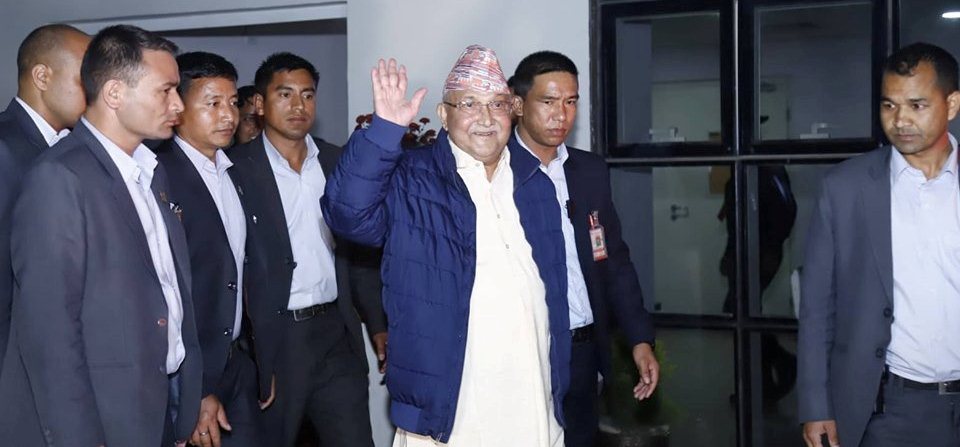
Tribhuvan University Teaching Hospital, Kathmandu, discharges Prime Minister KP Oli after his 12-day hospital stay following a kidney transplant.
Saturday, March 14:
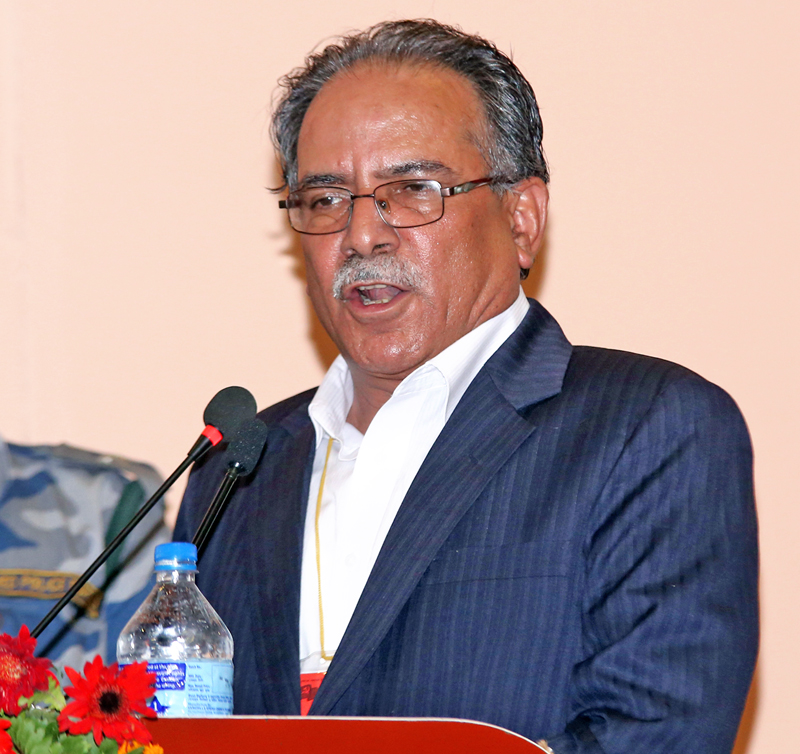
PM Oli talks to party co-chair Pushpa Kamal Dahal, advisors, and key ministers, and instructs everyone to come up with a comprehensive strategy to fight against a possible corona outbreak.
Sunday, March 15:
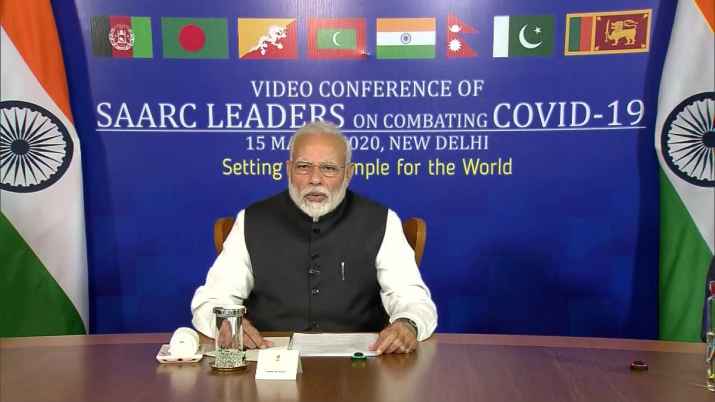
Indian Prime Minister Narendra Modi organizes a video conference of leaders of all eight SAARC member states to chalk out a common strategy to fight the spread of coronavirus in the region. Modi proposes a coronavirus fund, and makes an offer of $10m for it.
Monday, March 16

Speaker of the lower house Agni Sapkota says he cannot table the bill on Millennium Challenge Corporation without agreements on it with both the ruling Nepal Communist Party as well as the opposition Nepali Congress.
Tuesday, March 17
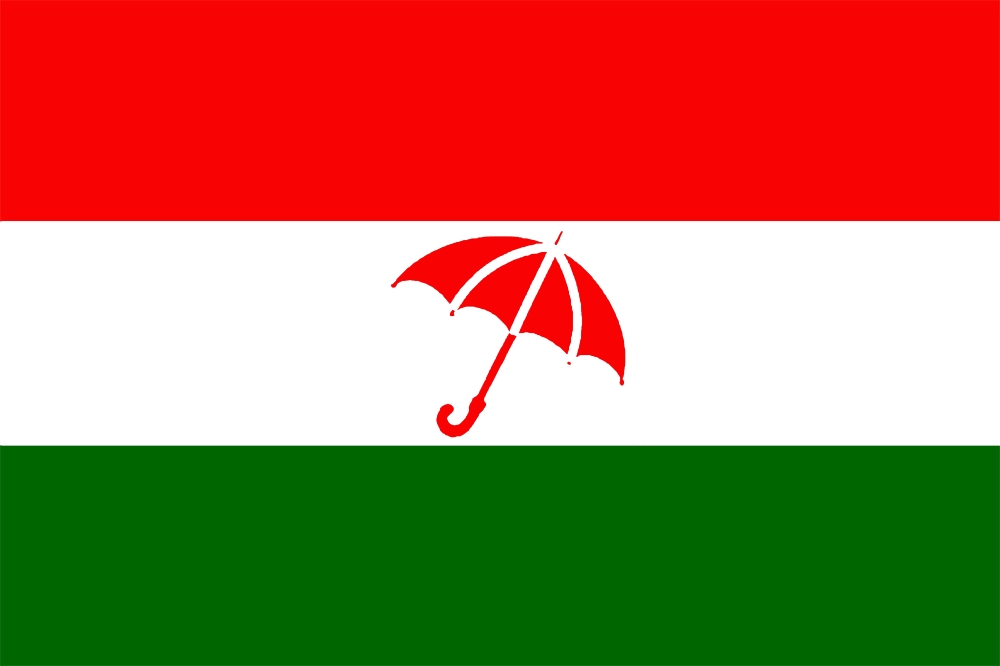
Sarad Singh Bhandari takes over as the leader of the six-member presidium of Rastriya Janata Party Nepal. The party has a system of rotational leadership. Ministry of Education instructs private schools to stop enrolling student for the new academic year.
Wednesday, March 18

The government takes a number of decisions to prevent the spread of coronavirus, including cancellation of Secondary Education Examinations (SEE) and banning all incoming passengers from Europe, the United Kingdom, the Gulf, West Asia, and Iran.
Thursday, March 19
Different associations of share investors submit a memo to Nepal Stock Exchange asking for a stop in stock-trading in the view of the government directive to limit public gatherings to 25 persons.

Quick questions with Sanjay Gupta
Q. What’s the favorite thing in your closet right now?
A. A green semi woolen sweater that my grandfather passed on to me.
Q. What are you holding on to that you need to let go of?
A. I hoard Apple products. I need to let go of 4 Macbooks and iPhones right now. (Wanted to say past relationships but again it’s too cliché.)
Q. What is your pet peeve?
A. When someone I am talking to is too busy on their phones. It’s so annoying and irritating.
Q. If you could have any three people (dead or alive) over for dinner, who would they be?
A. Robin Williams, Arun Thapa, Kobe Bryant.
Q. What’s on your playlist right now?
A. Solomun / Lane 8 / Dennis Lloyd
Q. If you had to work but didn’t need the money, what would you choose to do?
A. Cut coconuts off trees somewhere in the Caribbean
Q. Iphone or Android?
A. Android for now
Q. Is there an app that you hate but use anyways?
A. Smoke Free (I haven’t smoked for over two years)
Q. What is the stupidest thing you’ve done because someone dared you to?
A. Ate a live, walking cockroach in high school over a bet.
Q. You get an elephant. You can’t get rid of it. What would you do with it?
A. Invite kids from all over the country to come play with it.

Coca-Cola’s tribute to women empowerment in Nepal
Bottlers Nepal Limited—the authorized bottlers of the Coca-Cola Company—has started Shopkeeper Training and Resources “STAR” Program that aims to economically empower five million women across the value chain by 2020. The program aims to provide Nepali women retailers with the skills, techniques and tools required to succeed in the dynamic retail setup of Nepal, focusing on four key areas: shop management, stock management, customer management, and finance management. A joint Bottlers Nepal’s Public Affairs Communication and Sustainability (PACS) team and the sales team has reached 15 cities and several smaller towns in Nepal to train over 5,000
women retailers.

Ventures cafe: An affordable cafe in Kathmandu
THE MENU
Chef’s Special:
- Pork Thenthuk
- Jhol momo
- Chicken Fan Baifan
Opening hours:
10:00 am-10:00 pm
Location:
Baluwatar
Cards:
Accepted
Meal for 2:
Rs 1,200
Reservations:
9851228014
One of the largest selections of beer available in Nepal,” the Ventures Café boasts on its Facebook page. A tall claim, you’d probably want to test. Located at Baluwatar (near the main gate of the Prime Minister’s official residence), the Ventures Café is a restaurant that serves a fusion of Oriental and Nepali cuisines and also provides a comfortable ambience for entrepreneurs to co-work and chill.
With snacks starting at Rs 100 and main courses not exceeding Rs 500, Ventures has to be one of the most affordable restaurants around for food and ambience. Even the drink (alcoholic, non-alcoholic, and coffee) prices give fierce competition to other restaurants in the area. Perhaps why it has thrived all these years without much fanfare. A steady customer base, we suspect, is its secret sauce.


