


Progress of Nagdhunga Tunnel reaches 50 percent
After two years and two months since the commencement of the development of the Nagdhunga Tunnel, half of the construction of Nepal's first modern tunnel road project has been completed. The progress report provided by the Japanese contractor Hazma Ando Corporation for the month of February shows the physical progress of the project so far has reached 50.15 percent. The company started the construction work of the tunnel in December 2020. According to the report, the financing progress of the project has reached 70.50 percent. The Nagdhunga Tunnel road project is being built with a subsidized loan of Rs 16.63bn from the Japan International Cooperation Agency (JICA) and an investment of Rs 5.85bn from the Nepal government. The government and Hazma Ando signed the contract agreement for the development of the project in September 2019. The Japanese contractor started the construction work 14 months later in December 2020. After the completion of the highway tunnel, it will connect Nagdhunga in Kathmandu to Sisnekhola in Dhading. As part of this project, two parallel tunnels are being constructed in Nagdhunga to facilitate vehicles entering the capital from the western parts of the country. The physical progress of the tunnel under the project has reached 79.20 percent. The length of the main tunnel in the project is 2,688 meters. So far, 1,869 meters of tunnels have been constructed. 893 meters from east (Kathmandu) and 976 meters from west (Nagdhunga) tunnels have been excavated. Similarly, the total length of the auxiliary (evacuation) tunnel is 2,557 meters. So far, 2,127 meters of tunnels have been dug. 1,147 meters from the east and 980 meters from the west tunnel have been dug. The project has targeted to break through the tunnel within the coming June. As for the working audit, 100 percent i.e. 126 meters has been completed, while 74 meters of cross-passage has been constructed which has a total length of 128 meters. Remaining work to be completed in a year The Nagdhunga Tunnel road project is obliged to complete the remaining half of the project in a year. The initial deadline for the project was set for April 2023 which was extended by 86 days due to the Covid-19 pandemic obstructions. After the time was added, the project should have been completed by July 2023. However, as it appeared that the project will not be completed within the period, the deadline has recently been extended by nine months as per the company's demand. Madhav Adhikari, Information Officer of the project said that now the company will complete the rest of the work by April 25, 2024. However, the latest progress report has shown that it will be a challenge to complete the rest of the project within the new deadline. The construction of 11 out of 12 structures to be built under the project has been completed. According to the details provided by the project office, the construction of three underpasses and four box culverts (structures where water flows under vehicles) has been completed. Also, the construction of one overpass and three bridges has been completed and only the flyover is under construction. Besides, two foundations and two auxiliary structures which will be under the flyover have been prepared. Besides, the design of the flyover is also in the final stage and the construction will start after the design is ready. The total cost of the Nagdhunga Tunnel road project has been estimated at Rs 22.14bn. Contractor seeks compensation for the damages due to closure of crushers Hazma Ando, the contractor of the project, is seeking compensation from the government for the losses it incurred when the project work halted after the government shut down the illegal crushers. The work related to the digging of the tunnel stopped for almost two weeks in January. The ballast needed for the project comes from the stones that come out of the tunnel. However, sand is brought from outside. There was a shortage of sand and the digging of tunnels was halted when the government took action against illegal crushers. It has been known that Hazma Ando has already sent a message to the project office to ask for compensation. A senior official of the project said that the project will submit a claim for compensation soon.

NC decides to vote in favor of JSP’s Yadav in vice-presidential election
The Nepali Congress has decided to vote in favor of Janata Samajbadi Party’s Ram Sahaya Yadav in the vice-presidential election. The Central Execution Committee of the Nepali Congress held on Wednesday decided to support Yadav in the vice-presidential election, party spokesperson Prakash Sharan Mahat said. According to him, the meeting has decided to direct the party lawmakers to vote in favor of Yadav. The meeting also congratulated President Ram Chandra Paudel.

EC makes public sample ballot papers for vice-presidential election
The Election Commission has made public the sample ballot papers for the vice-presidential election. The Commission has arranged separate ballot papers for the members of the House of Representatives and Province Assembly. Parliament and National Assembly members will get pink ballot papers while Province Assembly members will get green ballot papers. The names of all the four vice-presidential candidates along with their photographs are mentioned in the ballot papers. CPN-UML Vice-Chairperson Astha Laxmi Shakya, Janata Samajbadi Party Parliamentary Party leader Ram Sahaya Yadav, Pramila Kumari Yadav and Janamat Party’s Mamata Jha have filed their nominations for the election. Pramila Yadav has announced to withdraw her candidacy saying that she would support Ram Sahaya Yadav in the vice-presidential election. Her name and photograph, however, were also printed in the ballot paper as she did not withdraw her candidacy within the stipulated time. Yadav has the support of five parties including ruling coalition parties—Nepali Congress, CPN (Maoist Center), CPN (Unified Socialist) among other parties while Jha has the support of Janamat Party and Nagarik Unmukti Party. Shakya has the support of only UML. The election has been scheduled for March 17. Federal Parliament and Province Assembly members are the voters in the election.

Province chiefs call on PM Dahal
Province chiefs called on Prime Minister Pushpa Kamal Dahal at the latter’s official residence in Baluwatar on Wednesday. During the meeting, they discussed various issues including the problems the provincial chiefs office have been facing, a Baluwatar source said. The Prime Minister said that he would take an initiative to resolve the problems. According to a provision of the Constitution of Nepal, each province should have a provincial head as the representative of the federal government.

Prithvi Bahadur Shah among 6 sent to custody for fraud
Out of seven people including Prithvi Bahadur Shah and his brother Bijay Bikram Shah arrested in the fraud case, six have been sent to custody for further investigation. They were arrested based on the complaint filed by an American citizen. According to the Central Investigation Bureau of Nepal Police, the Kathmandu District Court on Monday ordered them to be sent to custody. CIB SP Sanjay Singh Thapa said that of the arrested ones, Binita Tamang has been released on Rs 50,000 bail. The CIB had carried out an investigation into the case. As per the investigation report of CIB, the District Public Prosecutor's Office had filed the case at the court. Prithvi Bahadur Shah among others had established 24 companies using fake documents and coughed up more than Rs 640 million from foreign nationals through mail, social network and bank account. Majority of the cheated people are US citizens. The group had targeted the senior citizens of America as well as patients suffering from diseases like cancer and Alzheimer's. Out of 20 people connected in the case, 13 are still absconding and search for them is underway, said Thapa.

Nepse surges by 1.85 points on Tuesday
The Nepal Stock Exchange (NEPSE) gained 1.85 points to close at 1,953.06 points on Tuesday. Similarly, the sensitive index plunged by 0.17 points to close at 386. 32 points. A total of 3,318,108 unit shares of 255 companies were traded for Rs 1. 13 billion. Meanwhile, Unique Nepal Laghubitta Bittiya Sanstha Limited was the top gainer today, with its price surging by 10. 00 percent. NIC Asia Balanced Fund was the top loser as its price fell by 5.64 percent. At the end of the day, total market capitalization stood at Rs 2. 82 trillion.
Government slashes subsidy on chemical fertilizers
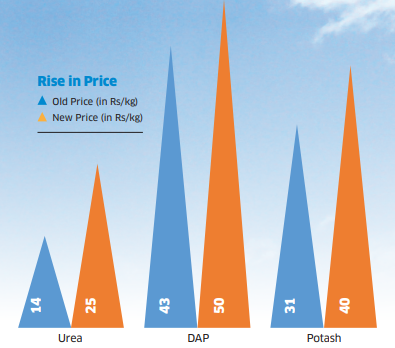
After failing to supply fertilizers on time, the government has cut down the subsidies, making chemical fertilizers costlier for farmers. The government has reduced the overall subsidies on chemical fertilizers by 11.78 percentage points. By slashing the subsidy, the government has decided to increase the market price of chemical fertilizers. The Ministry of Agriculture and Livestock Development (MoALD) on Monday increased the prices of Urea, DAP, and Potash fertilizers. The price of Urea has been increased by about 78 percent while that of DAP and Potash by 16 and 29 percent, respectively. The meeting of the Fertilizer Supply and Distribution Management Committee on March 13 increased the sales price of Urea at the import point to Rs 25 per kg from earlier Rs 14 per kg. Similarly, the price of DAP has been increased to Rs 50 per kg from earlier Rs 43. The price of Potash has been increased to Rs 40 per kg from Rs 31. Among the chemical fertilizers imported into Nepal, the share of Urea is 56 percent while that of DAP and Potash is 42 percent and 2 percent, respectively. Earlier, the government used to provide an 80 percent subsidy on Urea fertilizer which has now been reduced to 64.5 percent. Similarly, the subsidy on DAP has been reduced to 52.4 percent from 59 percent earlier. And, subsidy on Potash has been reduced to 46 percent from 58 percent. Earlier, the government was subsidizing 70.82 percent on the import of chemical fertilizers earlier, which has now been reduced to 59.04 percent. MoALD has said that fertilizer subsidies will also be reduced further gradually. As the ministry plans to limit the subsidies to 50 percent, the price of fertilizers will further increase in the future. According to the ministry, the fertilizer price has been adjusted due to the rising price of chemical fertilizers in the international market and the decline in the exchange rate of Nepali currency with the US Dollar. "Nepal has to spend a lot of budget on subsidy amounts due to ever-increasing purchasing costs and low sales prices," said the ministry in a press statement. The government had allocated Rs 15bn for the import of chemical fertilizers in the current fiscal federal budget. Since the amount was insufficient, the MoALD said that an additional Rs 23.5bn has been managed to ensure the fertilizer imports. According to the ministry, the annual demand for chemical fertilizer in the country is 520,000 tons. However, the government has been failing to supply fertilizers as per the demand. According to the ministry, there is an agreement to import 333,500 tons of chemical fertilizers for the current financial year. So far 237,500 tons have been imported and the remaining 94,000 tons are under process. Despite this, there will be a shortage of 90,000 tons for the paddy plantation season.

Mind Matters | Struggling with OCD
I’m a 27-year-old woman who has been struggling with OCD for years and it has taken a toll on my mental health. My compulsions can range from rechecking things to repeating certain actions. That has made it difficult for me to maintain good relationships with people or excel at my job. I often feel like I’m trapped in my own mind and unable to control my thoughts and behaviors. Please help me!–S.S Answered by Tashi Gurung, counseling psychologist, Happy Minds I’m sorry to hear that you’ve been struggling with OCD. It’s understandable that it’s difficult for you to cope with it. OCD is a mental health condition that can cause unwanted, obsessive thoughts and repetitive, compulsive behaviors. These behaviors can interfere with your daily life and can be distressing. Understand that OCD isn’t a personal weakness or a choice. Know that it’s a treatable condition and, with the right support, you can learn to manage your symptoms and improve your quality of life. There are different types of OCD, and your compulsions may vary from checking things repeatedly, counting, or repeating certain actions. It’s essential to understand that these behaviors aren’t under your control, and they are not a reflection of your personality. It doesn’t define who you are as a person. It's necessary to approach OCD with compassion and understanding, both for yourself as well as for others who might be struggling with the condition. Open communication with your partner or loved ones can be helpful for them to understand what you are going through and how they can support you. It might also be beneficial to educate them about OCD and how it affects you. If OCD is affecting your job, talk to your employer or HR representative about your condition and how it’s impacting your work. You might be able to request accommodations or adjustments to your work environment or schedule to help manage your symptoms. If you have OCD, it’s crucial to seek professional help. A mental health professional can help you develop coping strategies and manage your symptoms. They may recommend therapy, medication, or a combination of both. In addition to seeking professional help, there are things you can do to manage OCD symptoms. Practice self-care, get enough sleep, eat a healthy diet, and engage in regular physical activity. Relaxation techniques such as meditation or deep breathing exercises might also be helpful. Remember that managing OCD is a journey, and there might be setbacks along the way. It’s okay to ask for help and support from loved ones. It’s also important to be patient and compassionate with yourself as you work towards managing your symptoms. With proper treatment and support, you can overcome OCD and lead a good life.


